You Won’t Believe What I Found Walking Through Madrid’s Hidden Culture
Ever wondered how to truly feel a city? I hit the pavement in Madrid with nothing but comfy shoes and an open mind, and what I found blew me away. Forget rushed tours and crowded buses—walking this vibrant capital revealed hidden courtyards, local tapas bars humming with life, and street art that tells real stories. This is travel with heart. Let me take you on the path less Googled, where every turn pulses with culture, rhythm, and that indescribable Madrid magic. More than just sightseeing, walking through the city becomes a conversation with its soul—a quiet exchange between visitor and place, step by step, moment by moment.
Why Walking Unlocks Madrid’s True Spirit
Walking through Madrid is not simply a way to get from one landmark to another—it’s a mode of connection. Unlike guided bus tours that race past facades or metro rides that tunnel beneath the surface, walking allows travelers to absorb the city’s rhythm at human pace. The difference is profound: instead of observing Madrid from a distance, you begin to live within it. You notice the elderly woman watering geraniums from her balcony, the barista who knows every customer’s usual order, the sudden burst of laughter from a sunlit courtyard. These are not staged experiences; they are the authentic pulse of daily life.
Madrid’s urban design makes this kind of immersive exploration not only possible but deeply rewarding. The city center is compact, with wide sidewalks, tree-lined avenues, and plazas that invite lingering. Its grid-like structure in the central districts allows for intuitive navigation, while side streets branch off like capillaries into neighborhoods rich with character. Because distances between major attractions are manageable—often just 15 to 20 minutes on foot—travelers can cover ground without fatigue while maximizing serendipity. This slow approach fosters deeper engagement, turning a simple stroll into a cultural discovery.
Moreover, walking encourages sensory awareness. The scent of roasting coffee beans drifts from corner cafés. The warmth of sun-baked stone radiates from centuries-old buildings. The murmur of conversation in rapid-fire Spanish fills the air, punctuated by the clink of wine glasses. These details create a multidimensional experience that no photograph or audio guide can replicate. When you walk, you don’t just see Madrid—you feel it, hear it, taste it. This sensory immersion builds emotional resonance, transforming fleeting visits into lasting memories.
From a practical standpoint, walking also opens doors to spontaneous interactions. A friendly nod leads to a recommendation for the best tortilla de patatas in the neighborhood. A paused glance at a mural sparks a conversation with a local artist. These micro-moments of connection are the essence of meaningful travel. They remind us that culture isn’t confined to museums or performances—it lives in the everyday, waiting to be noticed by those who move slowly enough to see it.
Mapping the Cultural Heartbeat: Choosing Your Routes
To experience Madrid’s full cultural spectrum, route selection is key. The city offers distinct neighborhoods, each with its own identity, history, and atmosphere. By thoughtfully choosing walking paths, visitors can craft a journey that reflects their interests—whether art, history, food, or urban life. Starting in the Centro Histórico, which encompasses areas like Sol, Plaza Mayor, and the Royal Palace, provides a foundation in Madrid’s grand architectural legacy. Here, the city’s imperial past unfolds in stone and tile, with wide promenades perfect for morning walks before the crowds arrive.
Just south of the center lies Lavapiés, a historically working-class district transformed into one of Madrid’s most diverse and creative neighborhoods. Walking through its narrow streets, you’ll hear a symphony of languages—Arabic, Urdu, Chinese, Spanish—reflecting its multicultural fabric. Murals cover building facades, many created during community-led initiatives that celebrate social justice and inclusion. Small galleries, independent bookshops, and ethnic eateries line the sidewalks, offering an alternative to mainstream tourism. This area rewards curiosity, with hidden plazas and rooftop terraces that provide quiet respites amid the urban energy.
Northwest of the center, Malasaña pulses with youthful creativity and bohemian charm. Once a hub for Madrid’s post-Franco counterculture, it remains a stronghold of independent fashion, vintage stores, and underground music venues. Walking its side streets feels like stepping into a living archive of urban rebellion and artistic expression. Graffiti-covered walls, pop-up art installations, and the occasional street performer contribute to an atmosphere of constant reinvention. It’s a place where history and modernity collide, and where every corner seems to whisper stories of past movements and present-day innovation.
For a more refined experience, the Salamanca district offers elegant architecture, upscale boutiques, and manicured parks. While quieter than other areas, it provides a different lens into Madrid’s character—one of sophistication and understated luxury. Tree-lined avenues like Calle Serrano invite leisurely strolls, while smaller side streets reveal hidden gardens and neoclassical façades. Despite its affluent reputation, Salamanca is still walkable and accessible, with excellent public transit links that allow seamless transitions to other parts of the city.
All these neighborhoods are connected by an efficient metro system and extensive pedestrian pathways, making it easy to design multi-district walking itineraries. For instance, one could begin in Salamanca, walk south through Retiro Park, cross into the historic core, then continue into Lavapiés and Malasaña—experiencing a full arc of Madrid’s cultural landscape in a single day. Such routes not only maximize variety but also illustrate how the city layers its past and present, tradition and transformation, into a cohesive yet dynamic whole.
Morning Strolls & Local Rhythms: Starting with Authentic Energy
There is a particular magic to Madrid in the early hours, when the city awakens gently and life unfolds in unhurried rituals. Beginning your walk at sunrise or shortly after allows you to witness this quiet transformation—the moment when streetlights fade, shopkeepers roll up grilles, and the first aromas of coffee and fried dough fill the air. One of the most rewarding morning routes starts at Mercado de San Miguel, located just steps from Plaza Mayor. Though the market itself opens later, the surrounding streets come alive early with vendors setting up displays and locals grabbing quick breakfasts at neighborhood bars.
A short walk through Plaza de la Cebada leads to Mercado de la Cebada, a less touristy but equally vibrant market where residents shop for fresh produce, cheese, and cured meats. Observing these routines offers insight into Madrid’s culinary culture far beyond what any restaurant can provide. You’ll see grandmothers inspecting tomatoes with expert eyes, bakers pulling golden loaves from ovens, and fishermen arranging glistening sardines on ice. These are not performances for tourists—they are real, daily acts of sustenance and care, rooted in generations of tradition.
As the morning progresses, cafés begin to fill with office workers, students, and retirees enjoying café con leche and churros with thick hot chocolate. Sitting at an outdoor table, even for just ten minutes, becomes a form of cultural immersion. You overhear conversations about school, politics, football, and family—ordinary topics that reveal the values and priorities of local life. The pace is relaxed; no one rushes. People linger over their drinks, savoring both the flavor and the company. This emphasis on presence, rather than productivity, is a defining trait of Madrid’s lifestyle.
Another ideal morning route follows the Paseo del Prado, especially on weekends when car traffic is restricted. Under the canopy of plane trees, joggers, cyclists, and dog walkers share the path, creating a communal atmosphere. The façades of the Prado Museum, CaixaForum, and the Botanical Garden stand in quiet dignity, their grandeur softened by the morning light. Even if you don’t enter the museums yet, walking past them builds anticipation. You begin to see them not as isolated institutions but as part of the city’s living cultural fabric—accessible, integrated, and woven into daily life.
By aligning your walking schedule with local rhythms, you gain access to a more authentic version of Madrid. Instead of chasing checklists, you sync with the city’s natural tempo. This alignment fosters respect and reciprocity—it signals that you are not merely passing through, but making an effort to understand and participate, however briefly, in the life of the place.
Art Underfoot: Street Murals, Sculptures, and Hidden Courtyards
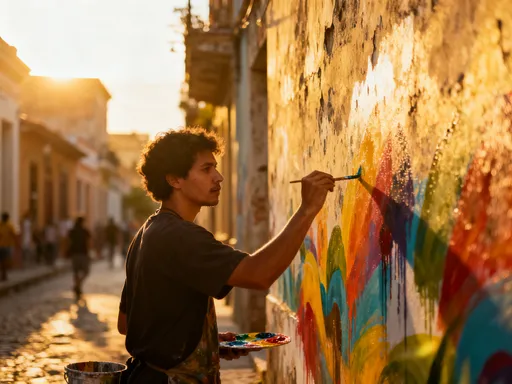
Madrid’s artistic soul extends far beyond its world-renowned museums. In fact, some of the city’s most compelling art exists outdoors, free for anyone to discover. The district of Lavapiés, in particular, has become a canvas for socially engaged street art. Murals here often address themes of migration, identity, and resistance, painted by both local and international artists. Unlike graffiti that defaces property, much of this work is commissioned or created with community support, turning public walls into powerful storytelling spaces. Walking through these streets becomes a visual dialogue—one that challenges, inspires, and connects.
One notable area is the Tabacalera building, a former tobacco factory turned cultural center. Its exterior walls are constantly evolving, covered in large-scale murals that reflect current social issues. Inside, artist collectives and grassroots organizations host exhibitions, workshops, and performances open to the public. Visitors are welcome to explore the space, speak with creators, and even participate in ongoing projects. This integration of art and civic life exemplifies Madrid’s commitment to cultural accessibility—not as a privilege for the few, but as a shared resource for all.
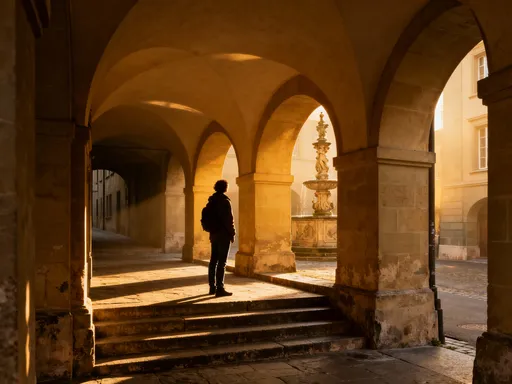
Equally enchanting are the city’s hidden courtyards, known as patios. Many older buildings in central Madrid conceal inner gardens, accessible only through unassuming doorways. Some, like those in the Huertas neighborhood, have been preserved as tranquil oases where ivy climbs stone fountains and birds sing above the street noise. Others have been repurposed into community gardens or cultural hubs. Patio Maravillas, though no longer active in its original form, inspired a network of similar spaces where residents reclaim unused urban areas for art, education, and gathering. While specific locations may change over time, the spirit of these initiatives endures—a testament to Madrid’s creative resilience.
Sculpture, too, appears in unexpected places. Along the Paseo de la Independencia, bronze figures emerge from the pavement—a child chasing a ball, a woman reading a book—part of the “Memories of the City” installation. These subtle interventions invite pause and reflection, blending seamlessly with daily life. Similarly, the Retiro Park features both classical statues and contemporary pieces, including the famous Fallen Angel fountain, one of the few public monuments in the world dedicated to Lucifer—though here, it’s appreciated more for its artistic daring than its symbolism.
Exploring Madrid’s open-air art scene requires no ticket, no schedule, and no prior knowledge—only curiosity and attention. Each mural, sculpture, and courtyard tells a story, often layered with historical, political, or emotional meaning. By walking slowly and looking closely, visitors become active interpreters of the city’s visual language, engaging with art not as passive observers but as participants in an ongoing cultural conversation.
Midday Culture Bites: From Museums to Impromptu Performances
While Madrid’s museums are destinations in themselves, the experience of visiting them gains depth when woven into a walking journey. The so-called “Golden Triangle of Art”—comprising the Prado, Reina Sofía, and Thyssen-Bornemisza museums—is clustered within easy walking distance, allowing visitors to move fluidly between collections. Starting at the Prado, one encounters centuries of European painting, from Goya’s haunting portraits to Velázquez’s masterful brushwork. Continuing to Reina Sofía offers a dramatic shift into modernity, where Picasso’s Guernica stands as a monumental statement on war and suffering. The Thyssen fills the gaps with an eclectic private collection spanning Renaissance to Pop Art.
What elevates this experience is not just the art itself, but the act of walking between these institutions. The transition from classical grandeur to avant-garde experimentation mirrors Madrid’s own cultural evolution. Along the way, you pass shaded plazas, fountains, and kiosks offering cold drinks—moments of rest that allow reflection. Many of these museums also offer free entry during certain hours, typically in the late afternoon, making them accessible to a broader audience. Planning a walk to coincide with these times ensures both cultural enrichment and budget-friendly exploration.
Yet some of the most memorable cultural moments occur outside official programming. In Parque del Retiro, for example, impromptu music performances are common—jazz trios, classical quartets, or solo guitarists playing flamenco-inspired melodies. These are not staged events with tickets or schedules, but organic expressions of artistic life. Similarly, in plazas like Plaza de la Villa or Plaza de Santo Domingo, dancers sometimes rehearse traditional styles, their movements echoing off ancient stone walls. There’s a humility to these moments—they ask for no applause, seek no spotlight—and yet they carry immense cultural weight.
Local festivals further enrich the midday landscape. Depending on the season, streets may be closed for neighborhood celebrations, religious processions, or cultural fairs. During the Fiestas de San Isidro in May, for instance, Madrid transforms with folk music, traditional costumes, and communal meals. Walking through these events, even as an observer, fosters a sense of inclusion. Vendors sell rosquillas (ring-shaped pastries), children dance in circles, and elders share stories on benches. These traditions, passed down through generations, remind us that culture is not static—it breathes, evolves, and depends on participation to survive.
By blending structured visits with spontaneous encounters, walkers gain a more complete picture of Madrid’s cultural vitality. It’s not just about seeing famous paintings or attending performances—it’s about sensing how art lives in the city’s veins, expressed in both grand institutions and humble street corners.
Evening Walks & the Pulse of Neighborhood Life
As daylight fades, Madrid undergoes a quiet metamorphosis. The pace quickens, lights flicker on, and the city exhales into its most sociable hour. Evening walks offer a different kind of intimacy—one defined by warmth, connection, and the gentle hum of shared space. One of the most atmospheric routes begins on Gran Vía, often called Madrid’s Broadway. Lit by neon signs and illuminated façades, this grand boulevard buzzes with energy. Theaters glow with marquee lights, shops stay open late, and couples linger at outdoor terraces. Yet just one block off this main artery, the noise softens, and neighborhood life takes over.
In La Latina, the streets narrow into a maze of tapas bars and wine cellars. As dusk settles, groups gather at standing tables, sharing small plates of jamón ibérico, grilled octopus, and manchego cheese. The air fills with laughter, clinking glasses, and the occasional burst of song. Unlike formal dinners, these gatherings are fluid and inclusive—strangers often strike up conversations, united by a love of food and company. Walking through this district, you’re not just observing nightlife; you’re invited into its rhythm, even if only as a silent witness.
Other neighborhoods reveal their own evening personalities. In Chueca, known for its lively atmosphere and pedestrian-friendly streets, families, friends, and solo diners fill the sidewalks. Restaurants spill onto the pavement, waiters weave between tables with trays of sangria, and the scent of garlic shrimp lingers in the air. Despite its vibrancy, the area remains safe and well-lit, with frequent police patrols and active street life ensuring comfort for all visitors. In Retiro, couples stroll along tree-lined paths, while joggers and cyclists enjoy the cooler evening air. The lake reflects the city’s glow, creating a serene counterpoint to the urban energy nearby.
What makes Madrid’s evenings so special is the absence of abrupt transitions. There is no strict separation between day and night, work and leisure, public and private. Life unfolds continuously, with fluidity and grace. People dine late, socialize longer, and savor time with others. For the walker, this means every turn offers a new vignette—a grandmother waving from her balcony, a street musician playing a soft ballad, a group of friends toasting under a string of lights. These moments accumulate into a deep sense of belonging, even for temporary visitors.
Moreover, the city’s commitment to pedestrian safety enhances the evening experience. Well-maintained sidewalks, ample lighting, and a visible police presence allow people to walk freely after dark. Public transit runs late, with metro services operating until 1:30 a.m. on weekdays and later on weekends. This infrastructure supports a culture of walking, ensuring that exploration doesn’t end when the sun sets.
Walking Smart: Practical Tips for a Culturally Rich Journey
To fully enjoy Madrid on foot, preparation matters. Comfortable footwear is non-negotiable—leather-soled shoes or supportive sneakers can make the difference between delight and discomfort after hours of walking. The city’s streets, while generally flat, include cobblestone areas and uneven surfaces, especially in older districts. Carrying a lightweight water bottle is also advisable, particularly in summer months when temperatures rise and hydration becomes essential. Though public fountains are available, they are not always clearly marked, so having water on hand ensures uninterrupted exploration.
Using offline maps is another smart practice. While Madrid has strong mobile coverage, relying solely on data can drain battery life and create dependency. Downloading Google Maps or Citymapper routes in advance allows navigation without constant signal. Additionally, carrying a small paper map serves as a respectful alternative—locals often appreciate when visitors show genuine interest in orientation rather than staring at screens. This small gesture can even spark friendly interactions, with residents offering directions or recommendations.
Timing your walks enhances both comfort and cultural access. Mornings and late afternoons are ideal, avoiding the midday heat and peak tourist crowds. Many museums offer free entry from 6 p.m. onward, making late-day visits both economical and atmospheric. Similarly, arriving at popular markets like San Miguel before opening allows you to witness behind-the-scenes preparations—a rare glimpse into the city’s working rhythm.
Respecting local customs deepens the experience. Spaniards value politeness and formality in public interactions—greeting shopkeepers with a “buenos días” or “gracias” goes a long way. When photographing people or private spaces, always ask permission. Supporting small, family-run businesses—whether a neighborhood bakery, an independent bookstore, or a local tapas bar—contributes directly to the community and ensures that tourism benefits those who shape the city’s character.
Finally, cultivate mindfulness. Put the phone away. Breathe deeply. Notice the details—the pattern of tiles on a doorway, the sound of a distant accordion, the way sunlight hits a statue at golden hour. Madrid rewards attention. When you walk with intention, you don’t just see the city—you become part of its story, even if only for a moment.
Conclusion
Walking through Madrid is more than a travel tactic—it’s a philosophy of engagement. It rejects the rush of checklist tourism in favor of depth, presence, and connection. Every step becomes an act of discovery, revealing layers of culture that remain invisible from a bus window or metro seat. From the murals of Lavapiés to the morning bustle of Mercado de la Cebada, from the hushed halls of the Prado to the laughter-filled tapas bars of La Latina, Madrid reveals itself to those who move slowly and listen closely.
The rewards are not just visual or educational—they are emotional. There is joy in stumbling upon a hidden courtyard, pride in navigating a new street without a map, warmth in sharing a smile with a local. These intangible moments accumulate into a deeper understanding of place and people. They remind us that travel, at its best, is not about accumulation but about transformation—about returning home with a broader heart and a quieter mind.
So lace up your most comfortable shoes, step away from the itinerary, and let Madrid guide you. Let the city surprise you, challenge you, welcome you. Because the true soul of Madrid isn’t found in guidebooks or headlines—it’s waiting in the quiet spaces between landmarks, in the rhythm of footsteps on stone, in the simple act of walking with curiosity and care. One mindful step at a time, you won’t just explore Madrid—you’ll live it.