Chasing Light in the Wild: Sapporo’s Untamed Natural Beauty Through My Lens
Sapporo isn’t just a city—it’s a gateway to raw, untouched nature that begs to be photographed. From misty highland trails to frozen waterfalls glowing under winter sun, every frame tells a story. I’ve wandered its quiet forests and snowy fields, camera in hand, chasing moments only nature can create. This is about more than pictures—it’s about connection, light, and finding stillness in the wild. For photographers and nature lovers alike, Sapporo offers an extraordinary blend of accessibility and wilderness, where urban life gently fades into pristine landscapes shaped by the rhythm of the seasons. Here, the natural world doesn’t perform—it simply exists, and in that honesty lies its deepest beauty.
The Allure of Sapporo’s Natural Landscapes
Sapporo, the capital of Hokkaido, stands apart from Japan’s other major cities not only in culture but in geography. Nestled between rolling mountains and open plains, it offers immediate access to some of the country’s most unspoiled natural environments. While Tokyo, Osaka, or Kyoto require hours of travel to reach true wilderness, Sapporo’s edge blurs seamlessly into forested hills, alpine valleys, and volcanic terrain. This proximity makes it an ideal base for photographers who value spontaneity and depth in their work. Within just an hour’s drive, one can stand at the edge of a crater lake or walk beneath ancient conifers dusted with snow, all without the crowds that define more commercialized destinations.
The city’s unique position within Hokkaido, Japan’s northernmost island, contributes to its ecological richness. Surrounded by national parks—most notably Shikotsu-Tōya National Park and near the expansive Daisetsuzan mountain range—Sapporo acts as a portal to diverse ecosystems. These include temperate forests, wetlands, highland meadows, and geothermal zones. Each of these environments supports distinct plant and animal life, offering photographers a wide range of subjects. The volcanic activity in the region shapes not only the landforms but also the mood of the landscape—steam rises from hot springs, lakes reflect dramatic cliffs, and snow accumulates in sculptural drifts that catch the light in unexpected ways.
What truly sets Sapporo apart is how easily one can transition from urban convenience to deep nature. A morning coffee in a downtown café can be followed by an afternoon hike through silent woods where the only sound is the crunch of snow underfoot. This accessibility invites not just professional photographers but families, weekend travelers, and anyone seeking a meaningful connection with the natural world. For those with a camera, it means more time observing and less time commuting—more opportunities to witness fleeting moments, like the first light hitting a frozen river or a deer emerging from the mist at dawn. In Sapporo, nature isn’t a destination—it’s a constant presence, shaping the rhythm of daily life and artistic inspiration alike.
Seasons That Shape the Shot
In Sapporo, time is not marked merely by months but by transformations. Each season redefines the landscape, offering photographers a completely new visual language. The shift from one to the next is not subtle—it is dramatic, vivid, and deeply expressive. Understanding these seasonal rhythms is essential for capturing the soul of the place. The colors, textures, light quality, and even the behavior of wildlife change with the calendar, and those who plan their visits around these shifts are rewarded with images that feel both timely and timeless.
Spring arrives tentatively, often in late April or early May. As the snow retreats, the city’s parks come alive with delicate cherry blossoms. Maruyama Park, one of Sapporo’s most beloved green spaces, becomes a soft canvas of pale pinks and whites. The blossoms contrast beautifully against the lingering patches of snow and the dark trunks of evergreen trees. Light during this season is gentle and diffused, ideal for portraits of flowers or quiet forest scenes. Mist often lingers in the early mornings, adding a dreamlike quality to photographs. This is a season of renewal, and the images captured reflect that sense of quiet awakening.
Summer brings a burst of color and life. The hillsides turn lush and green, and the air fills with the hum of insects and birdsong. One of the most iconic summer destinations near Sapporo is Farm Tomita in Furano, about two hours away by car or train. Here, endless fields of lavender bloom in mid-July, creating waves of purple that stretch to the horizon. The contrast between the vibrant flowers and the distant blue mountains makes for striking compositions. Golden canola fields, sunflowers, and rolling pastures add to the visual richness. The days are long, with sunlight lasting well into the evening, offering extended golden hours—especially valuable for landscape photographers seeking warm, low-angle light.
Autumn in Sapporo is short but unforgettable. By early October, the forests begin to ignite in shades of crimson, amber, and gold. The changing leaves are particularly vivid in the higher elevations, where maples and birches dominate. Locations like Jozankei Onsen Valley become a photographer’s paradise, with reflections of fiery foliage shimmering in the river below. The air grows crisp, and morning fog often drifts through the trees, adding depth and mystery to images. This is a season of contrast—between warm colors and cool shadows, between movement and stillness—and it invites a more contemplative approach to photography.
Winter, however, is when Sapporo reveals its most magical self. The city is famous for its snow festival, but beyond the sculptures lies a quieter, more profound beauty. Snowfall is heavy and consistent, blanketing the land in a soft, even layer that muffles sound and simplifies form. Trees become sculptures of ice, lakes freeze into smooth mirrors, and sunlight takes on a crystalline clarity. The low winter sun casts long shadows and enhances texture, making even a simple snow-covered fence a subject of interest. Blue hour—those moments just after sunset when the sky turns a deep indigo—becomes especially powerful, illuminating the snow with a cool, ethereal glow. For photographers, winter is not a challenge to endure but a gift to embrace, offering a monochrome palette that emphasizes shape, light, and emotion.
Top Natural Spots for Authentic Photography
While Sapporo itself offers green spaces and riverbanks ideal for casual shooting, the most compelling images often come from locations just beyond the city limits. These places combine accessibility with authenticity, allowing photographers to capture the essence of Hokkaido’s wilderness without venturing into remote or dangerous terrain. Each site has its own character, shaped by geology, climate, and human design, and together they form a rich tapestry of visual opportunities.
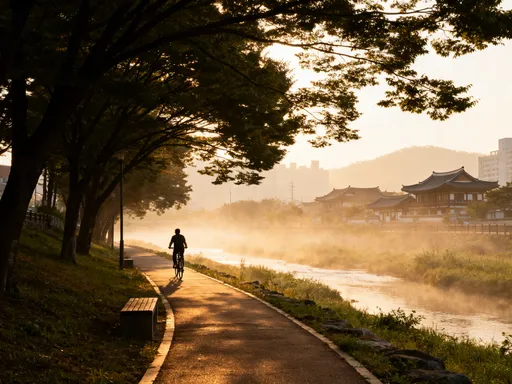
Jozankei Onsen Valley, located about thirty minutes southwest of central Sapporo, is a favorite among photographers for its atmospheric beauty. The valley follows the Toyohira River, where hot springs feed into the water, creating wisps of steam that rise into the cold air, especially at dawn. In winter, the contrast between the warm mist and the frozen landscape is mesmerizing. The surrounding forest, dense with conifers and birch, frames the river perfectly, offering natural leading lines and depth. Early risers are rewarded with soft light filtering through the trees, illuminating the fog in golden streaks. Even in summer, when the steam is less visible, the valley remains a haven of green, with dappled sunlight dancing on the water’s surface.
Moerenuma Park, designed by the renowned Japanese-American artist Isamu Noguchi, offers a different kind of inspiration. Unlike traditional parks, Moerenuma blends art, architecture, and nature into a harmonious whole. Open meadows, geometric sculptures, and reflective ponds create a minimalist aesthetic that appeals to photographers seeking clean lines and abstract compositions. The park’s centerpiece, a glass pyramid and a large fountain, becomes especially photogenic during golden hour, when the low sun casts long shadows across the grass. In winter, snow covers the sculptures, transforming them into ghostly forms that seem to float above the ground. The park’s openness also makes it ideal for drone photography, though operators must follow local regulations and respect privacy.
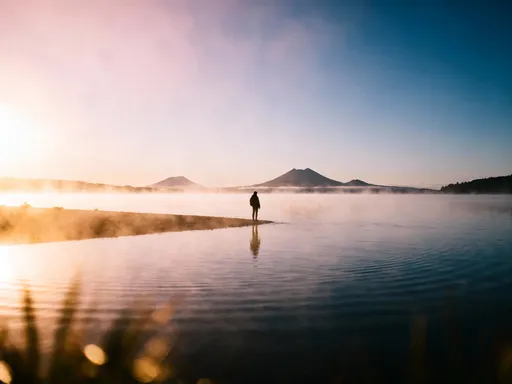
Lake Shikotsu, part of Shikotsu-Tōya National Park, is another must-visit location. Known for its exceptional water clarity and volcanic origins, the lake is surrounded by steep cliffs and evergreen forests. Its deep blue waters reflect the sky with mirror-like precision, making it a powerful subject for wide-angle shots. The lake does not freeze completely due to geothermal activity, which creates fascinating ice formations along the edges in winter. Photographers can capture the contrast between solid ice and flowing water, or focus on the steam rising from warm springs along the shore. The area is also home to native wildlife, including swans and foxes, offering opportunities for candid animal photography. Trails around the lake provide multiple vantage points, and the relative lack of crowds ensures a peaceful experience.
Chasing the Golden Hours
In photography, light is not just a tool—it is the subject. Nowhere is this more evident than in Sapporo, where the northern latitude amplifies the magic of golden hour and blue hour. These periods, occurring just after sunrise and just before sunset, transform ordinary scenes into extraordinary ones. The sun hangs low on the horizon, casting long, soft shadows and bathing the landscape in warm, directional light. Snow gains depth and texture, forests glow with amber highlights, and water reflects the sky in rich, saturated tones. For photographers, timing is everything—arriving at a location an hour before sunrise or staying well after sunset can mean the difference between a good image and a great one.
Golden hour in Sapporo is particularly powerful in winter. The days are short, but the quality of light is unmatched. As the sun rises, it often appears as a pale orb, diffused by the cold air, creating a gentle, almost celestial glow. This light enhances the three-dimensionality of snow-covered terrain, revealing subtle contours and patterns. Backlighting becomes especially effective during this time—photographers can position themselves so that the sun shines through frozen branches or illuminates falling snowflakes, creating a sense of movement and atmosphere. Similarly, at sunset, the sky often turns into a gradient of pinks, oranges, and purples, reflected in frozen lakes or wet river rocks, adding emotional depth to the image.
Blue hour, the period just after sunset or before sunrise when the sky takes on a deep blue hue, is equally valuable. In urban areas, artificial lights begin to twinkle, but in Sapporo’s natural settings, the world becomes quiet and still. The snow glows with a cool, silvery light, and the contrast between the dark trees and the illuminated ground creates a dramatic, moody effect. This is an ideal time for long exposures, especially near water, where the movement of waves or streams can be rendered as smooth, glass-like surfaces. A tripod is essential during these hours, as shutter speeds often extend into several seconds.
To make the most of these fleeting moments, planning is crucial. Weather apps and photography tools like PhotoPills or The Photographer’s Ephemeris can help predict sunrise and sunset times, cloud cover, and even the position of the moon. Fog, while sometimes unpredictable, can enhance a scene by adding layers and mystery—especially in valleys like Jozankei. Wind forecasts are also important, as strong gusts can make long exposures difficult and pose risks to equipment. By combining technical preparation with patience, photographers can consistently capture the most luminous moments nature has to offer.
Gear and Preparation for Hokkaido’s Climate
Photographing in Sapporo’s natural environments requires more than just a good camera—it demands thoughtful preparation. The climate, especially in winter, is unforgiving. Temperatures can drop below -15°C (5°F), and snow, wind, and humidity pose real challenges to both photographer and equipment. A well-planned kit and proper clothing are not luxuries—they are necessities for safety, comfort, and image quality.
The camera body should be weather-sealed whenever possible. While many modern DSLRs and mirrorless cameras offer some level of protection, using a rain cover or protective sleeve adds an extra layer of security, especially in snow or sleet. Lenses with weather gaskets are preferable, and filters—particularly UV or polarizing filters—can help protect the front element from scratches and moisture. One of the most common issues in cold weather is battery drain. Lithium-ion batteries lose power quickly in low temperatures, so carrying at least two fully charged spares, kept warm in an inner pocket, is essential. Some photographers use hand warmers taped to the battery compartment for extended shoots.
A sturdy tripod is indispensable, especially for low-light conditions and long exposures. Carbon fiber models are ideal—they are lightweight, durable, and less prone to freezing than metal. However, legs should be wiped down after use to prevent ice buildup. Similarly, lens hoods help reduce glare and protect against snowflakes, while a microfiber cloth should always be on hand to wipe away condensation, which can form when moving between cold outdoor environments and warm indoor spaces.
Personal gear is just as important. Dressing in layers—moisture-wicking base layers, insulating mid-layers, and a windproof, waterproof outer shell—allows for temperature regulation during hikes. Thermal gloves with touchscreen-compatible fingertips enable operation of camera controls without exposing bare hands. Gaiters prevent snow from entering boots, and traction devices like microspikes can provide stability on icy trails. A backpack with padded compartments keeps equipment secure and accessible, while a thermos of hot tea or soup adds comfort during long waits for the perfect light.
Equally important is respecting the environment. Staying on marked trails prevents damage to fragile vegetation, especially in alpine and wetland areas. Carrying out all trash, avoiding loud noises, and keeping a safe distance from wildlife ensure that these places remain undisturbed. Photography should never come at the cost of nature’s well-being. By preparing thoroughly and acting responsibly, photographers can enjoy Sapporo’s beauty without leaving a trace.
Beyond the Postcard: Capturing the Feeling, Not Just the View
It is easy to fall into the trap of chasing the postcard shot—the wide-angle vista, the perfectly centered mountain, the symmetrical reflection. While these images have their place, the most enduring photographs often tell a quieter story. They capture not just what a place looks like, but how it feels. In Sapporo, where the air is crisp, the silence deep, and the light ever-changing, the most powerful images emerge from attention to detail and emotional resonance.
Consider the small moments: a single bird landing on a frozen branch, its weight causing a puff of snow to fall; fresh footprints in untouched powder, leading toward a distant tree line; sunlight filtering through ice-coated leaves, casting delicate patterns on the snow. These details, when framed with care, convey mood, season, and presence in a way that grand landscapes sometimes cannot. They invite the viewer to step into the scene, to feel the cold, to hear the silence.
Storytelling in photography relies on composition. Leading lines—such as a winding river, a path through the woods, or a row of snow-laden trees—guide the eye and create depth. Including a foreground element, like a rock, a fence, or a patch of wild grass, adds dimension and scale. Human scale, even when no person is present, can be suggested through a lone bench, a small cabin, or a set of tracks in the snow. These elements ground the image, reminding us that we are part of, not separate from, the natural world.
Black-and-white photography can also be a powerful tool in Sapporo’s winter landscapes. By removing color, the image focuses on texture, contrast, and form. The stark difference between dark trees and white snow, between smooth ice and rough bark, becomes more pronounced. This approach encourages a more meditative way of seeing—one that values simplicity and emotion over spectacle.
Ultimately, the goal is not to document every location, but to connect with a few deeply. Returning to the same place at different times of day or year allows for a more intimate understanding. A photographer who visits Lake Shikotsu in summer and winter, in fog and in sunshine, begins to see its soul. These repeated encounters foster a relationship with the land, and that relationship shows in the images—honest, patient, and full of quiet wonder.
Ethical Practices and Sustainable Shooting
As the popularity of nature photography grows, so does the responsibility to protect the places we love. Sapporo’s landscapes are not infinite resources—they are fragile ecosystems that depend on mindful stewardship. Every photographer, amateur or professional, plays a role in preserving their beauty for future generations. This begins with simple but essential practices: staying on marked trails, avoiding trampling vegetation, and never disturbing wildlife for the sake of a shot.
One of the most pressing concerns in the digital age is geotagging. While sharing locations can inspire others, it can also lead to overcrowding, erosion, and damage to sensitive areas. A photograph of a secluded waterfall, when posted with exact coordinates, may attract dozens of visitors the next day, trampling the banks and polluting the water. Responsible photographers consider the impact of their posts. They may share general regions rather than precise spots, or wait to reveal locations until after peak seasons have passed.
Similarly, drones, while offering stunning aerial perspectives, must be used with caution. Many parks and protected areas in Hokkaido prohibit drone flights to protect wildlife and maintain peace. Even where allowed, flying too close to birds or nesting areas can cause stress or abandonment. The sound of a drone can shatter the silence that makes these places so special. When in doubt, it is better to leave the drone in the bag and explore on foot.
Sustainable photography also means minimizing waste. Carrying reusable water bottles, packing out all trash, and avoiding single-use plastics are small actions with lasting impact. Supporting local conservation efforts, whether through donations or volunteering, is another way to give back. The most beautiful images are those that honor the land—not just by capturing it, but by protecting it.
Framing More Than Nature
Photographing Sapporo’s landscapes becomes more than a technical exercise—it evolves into a mindful practice of observation and gratitude. Each click of the shutter is a moment of presence, a decision to pause and truly see. In a world that often moves too fast, nature photography offers a return to slowness, to stillness, to wonder. Whether you're chasing sunrise over a frozen lake or silence in a snow-laden forest, what you capture isn’t just scenery—it’s a moment of truth.
The images we create have power. They can inspire others to visit, to care, to protect. They can remind us of the beauty that exists beyond screens and schedules, of the cycles of light and season that govern the natural world. In sharing these photographs, we do more than display talent—we extend an invitation. An invitation to look closely, to listen, to breathe deeply.
Sapporo, with its wild heart and quiet light, teaches us that beauty does not need to be loud to be profound. It can be found in a single ray of sun breaking through the trees, in the curve of a frozen river, in the stillness after snowfall. And when we capture that beauty with respect and intention, we do not just take a photograph—we bear witness. We become part of the story, not as owners, but as guests. And in that humility lies the deepest connection of all.