Lost in the Charm of Rhine’s Hidden Street Corners
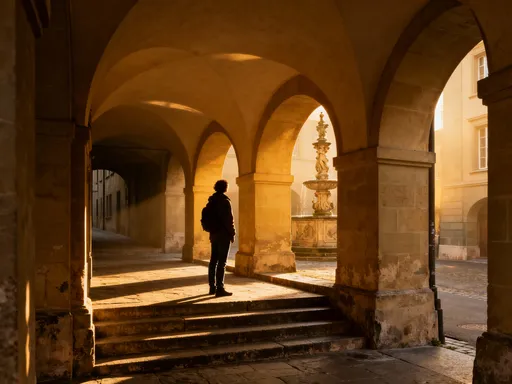
You know that feeling when you stumble upon a cobblestone alley bathed in golden light, where every doorway tells a story? Exploring the urban neighborhoods along Germany’s Rhine Valley was nothing short of magical—authentic, unfiltered, and alive with history. Far from the crowded tourist spots, these city blocks reveal soulful cafes, local art, and centuries-old architecture. This is travel at its most intimate. While postcard views of river castles draw millions, it is in the quiet backstreets of riverside towns where the Rhine truly breathes. Here, life unfolds not for show, but as it has for generations. These are places where time slows, where the rhythm of daily existence is written in weathered stone and ivy-covered walls. To walk these lanes is to step into the quiet heart of German culture, away from performance and into presence.
Discovering the Rhine’s Urban Soul
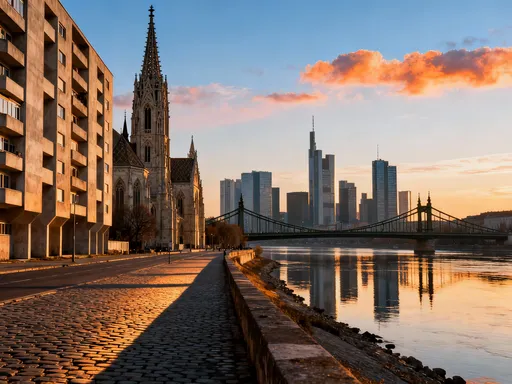
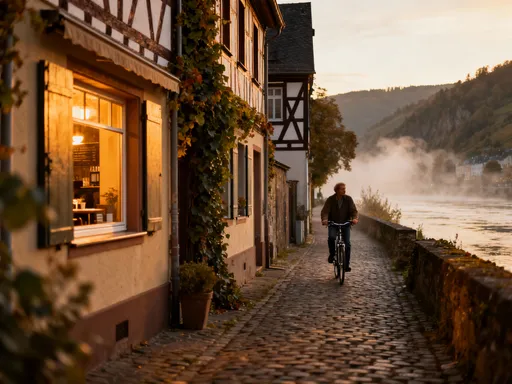
The Rhine River is often celebrated for its dramatic cliffs and fairy-tale fortresses, but its true character is also etched into the urban fabric of its riverside towns. Places like Oberwinter, Boppard, and the backstreets of Rüdesheim hold a different kind of beauty—one that doesn’t rely on grandeur but on authenticity. These are not destinations designed for the tourist gaze. Instead, they are living, breathing communities where history and modern life coexist in harmony. Narrow lanes wind between centuries-old buildings, their cobblestones worn smooth by generations of footsteps. Half-timbered houses with sloping roofs lean gently toward one another, as if sharing secrets across the street. Along the riverfront, locals stroll in the evening, children chase pigeons, and couples sit on benches watching the water flow past.
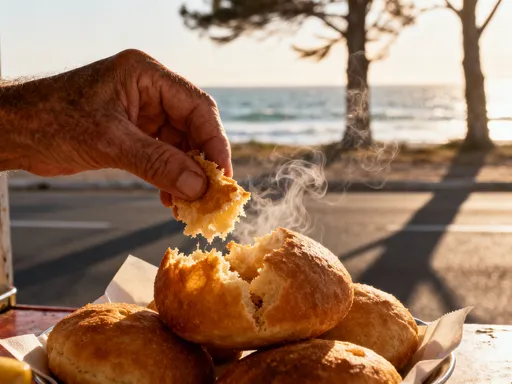
Unlike the curated experience of a castle tour, these neighborhoods offer something more profound: a glimpse into the everyday. The charm here is not polished or staged—it is found in the chipped paint on a garden gate, the flower boxes overflowing with geraniums, the faint smell of fresh bread drifting from an open bakery window. These details matter because they reflect continuity. They show how culture is preserved not in museums, but in the way people live, shop, and gather. The Rhine’s urban soul is not confined to any single monument; it pulses through the streets where residents know each other by name and traditions are passed down quietly, without fanfare.
What makes these areas particularly valuable is their resistance to over-commercialization. While central plazas may be dotted with souvenir stands and tour groups, the side streets remain refreshingly untouched. There are no loudspeakers announcing guided walks, no crowds jostling for photos. Instead, one might hear the chime of a church bell, the rustle of leaves in a courtyard, or the distant hum of a tram. This contrast between spectacle and stillness invites travelers to shift their focus—from seeing sights to sensing place. It is in these quieter moments that a deeper connection to a destination begins to form.
Why Street-Level Exploration Matters
Travel that stays on the surface often leaves only fleeting impressions. In contrast, street-level exploration fosters a lasting emotional bond with a place. When travelers walk through residential neighborhoods, they witness life as it unfolds naturally—children laughing on their way to school, shopkeepers arranging displays, neighbors exchanging greetings over garden fences. These unscripted moments reveal the heartbeat of a community. Unlike the controlled environment of a museum or guided tour, these experiences are unpredictable and real. They allow visitors to see beyond the image of a destination and into its lived reality.
Research in travel psychology supports this idea, showing that experiential travel—engaging with local life through observation and interaction—leads to greater emotional engagement and memory retention. When people engage their senses and emotions, not just their cameras, they form richer, more meaningful recollections. A 2019 study published in the Journal of Travel Research found that travelers who spent time in non-touristy neighborhoods reported higher levels of personal fulfillment and cultural understanding than those who followed standard itineraries. This suggests that authenticity in travel is not just a preference—it is a pathway to deeper human connection.
The urban design of Rhine towns further enhances this experience. Many of these neighborhoods developed along ancient trade routes, shaped by the river’s role as a commercial artery. Streets were laid out for function, not tourism—narrow to conserve space, winding to follow the terrain, and lined with buildings that once housed merchants, craftsmen, and sailors. The placement of a market square, the location of a bridge, the height of a warehouse—all were determined by practical needs. Because these areas evolved organically, they retain a sense of coherence and purpose that planned tourist zones often lack. To walk through them is to follow paths shaped by centuries of use, not by visitor analytics.
How to Find Authentic Neighborhoods
Finding these genuine spaces requires intention and a willingness to step off the beaten path. One of the simplest ways to identify non-touristy zones is to observe the signage. Areas dominated by multilingual menus, souvenir shops, and tour maps are likely catering primarily to visitors. In contrast, authentic neighborhoods feature signs in German only, handwritten notices in shop windows, and local businesses like family-run hardware stores or neighborhood pharmacies. The absence of English is not a barrier—it is a clue.
Timing also plays a crucial role. Early mornings offer a unique window into daily life. This is when bakeries open their ovens, delivery trucks make their rounds, and residents begin their routines. A walk at 7:00 a.m. might reveal an elderly woman watering her flowers, a man walking his dog along the river path, or the first customers lining up at a corner café. These quiet hours allow travelers to observe without disrupting, to absorb the rhythm of the place before the day’s energy builds.
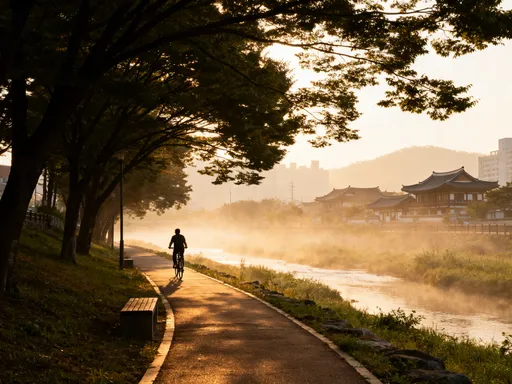
Public transit stops are excellent starting points for entering residential districts. In towns like Koblenz or Mainz, stepping off a tram or bus at a local stop—rather than a central station—immediately places one in a more authentic setting. Similarly, the extensive network of bike paths along the Rhine offers a smooth, scenic way to access hidden corners. Cyclists can cover more ground than pedestrians while still moving slowly enough to notice details. These paths often run parallel to the river, connecting towns and villages in a way that reveals the region’s continuity rather than its highlights.
Navigation tools should be used wisely. While GPS is helpful, relying on it exclusively can lead travelers to miss organic discoveries. Instead, following foot traffic, the smell of fresh bread, or the sound of conversation can be more rewarding. Small eateries with no English menu, local markets, and community bulletin boards are strong indicators of authentic spaces. These are places where residents go not for novelty, but for necessity and connection.
The Architecture That Tells Stories
The buildings along the Rhine’s lesser-known streets are not just shelters—they are archives of history. Each structure carries traces of its time, from medieval construction techniques to postwar repairs. The most iconic feature is the half-timbered *Fachwerk* house, with its exposed wooden frame and infill of brick or plaster. These homes date back to the 15th and 16th centuries and were built to withstand floods, fires, and the damp air rising from the river. Their sloping roofs shed rainwater efficiently, while the raised ground floors protected against seasonal flooding. Over time, families added upper stories, creating a patchwork of styles that reflects generations of adaptation.
Baroque influences appear in the ornate facades of churches and civic buildings, where sculpted figures and decorative stonework speak to a time of artistic flourishing. In towns like Bacharach and St. Goar, one can see how religious and civic pride was expressed through architecture. Even modest homes often feature carved lintels or painted shutters, suggesting that beauty was not reserved for the wealthy. The colors used—ochre, deep red, forest green—were not chosen merely for aesthetics. Many pigments were derived from local minerals and were selected for their durability as much as their appeal.
Later periods left their mark too. The 19th century brought tenement-style buildings with larger windows and more uniform facades, reflecting industrial growth and urban planning. After World War II, some areas were rebuilt with simpler materials, yet efforts were made to preserve the original street layout and scale. Today, local governments and preservation societies work to maintain the character of these neighborhoods. Strict regulations govern renovations, ensuring that new additions respect historical styles. For example, satellite dishes are often mounted discreetly, and modern windows are designed to mimic traditional divisions. These efforts show a deep respect for continuity, recognizing that a city’s soul resides in its streetscape.
Local Life in Full View
The true spirit of the Rhine’s neighborhoods reveals itself in everyday gatherings. Street markets appear on weekends, filling quiet squares with the scent of roasted nuts, fresh cheese, and spiced wine. Vendors call out specials in rapid German, and locals haggle gently over prices. These markets are not performances for tourists—they are essential parts of community life, where people shop, socialize, and support local producers. A simple exchange at a vegetable stand can become a moment of connection, especially when a traveler makes an effort to use basic phrases like *"Ein Kilo, bitte"* or *"Wie viel kostet das?"*.
Equally revealing are the family-run wine taverns, known as *Weinstuben*. Tucked into alleyways or beneath vaulted cellars, these cozy spaces serve regional wines in stoneware jugs. Patrons range from elderly couples sharing stories to young friends celebrating a birthday. The atmosphere is warm, unhurried, and deeply local. In August, many towns host *Weinfest* celebrations, where entire blocks are closed to traffic and transformed into open-air festivals. Music fills the air, tables spill onto the pavement, and wine flows freely. These events are not staged for visitors—they are genuine expressions of regional pride and seasonal joy.
For travelers, the key is respectful observation. Taking photographs is natural, but it should be done with awareness. A quick snap of a market scene is one thing; pointing a lens at a private conversation is another. A simple nod or smile can go a long way in showing appreciation without intrusion. Learning a few courteous phrases—*"Guten Tag," "Danke schön," "Entschuldigung"*—not only eases interactions but also signals respect. These small gestures open doors, sometimes quite literally. A shopkeeper who sees a visitor making an effort may offer a sample, share a story, or recommend a hidden café. These moments of exchange are the essence of meaningful travel.
From Tourist to Temporary Local
The shift from observer to participant begins with slowing down. When travelers abandon rigid schedules and allow themselves to linger, their perception changes. A street corner becomes more than a photo opportunity—it becomes a place of presence. Sitting on a public bench for twenty minutes, watching the world go by, can reveal more than an hour-long tour. One traveler recalled spending an afternoon in a small Boppard square, where she bought a pretzel from a bakery and struck up a conversation with an elderly woman feeding pigeons. The woman, born in the same house she still lived in, shared memories of the town before the war, of how the river used to freeze in winter, of the vineyards that once covered the hills.
Such encounters are not guaranteed, but they become possible when one adopts the rhythm of local life. Shopping at a corner *Bäckerei* instead of a supermarket, ordering coffee with a simple phrase, or greeting neighbors with a nod—all these acts foster inclusion. They signal that the visitor is not just passing through, but making an effort to belong, even if only for a day. This mindset encourages deeper engagement. Some travelers keep journals, sketching buildings or recording phrases they hear. Others take photos not for social media, but as personal mementos of connection.
The goal is not to become a local—such a transformation is neither possible nor appropriate—but to move beyond the role of spectator. By embracing small routines, travelers gain insight into the values and rhythms of a place. They learn that punctuality, cleanliness, and order are not just cultural traits but lived practices. They notice how public spaces are cared for, how neighbors interact, how traditions are maintained. These observations, accumulated over time, form a more complete picture of a destination—one that goes beyond landmarks to touch the essence of community.
Preserving the Authenticity You’ve Found
The growing popularity of experiential travel brings both opportunity and responsibility. As more visitors seek out quiet streets and local markets, there is a risk of turning authenticity into a commodity. Overtourism can erode the very qualities that draw people in—the peace, the intimacy, the sense of discovery. Therefore, sustainable practices are essential. Travelers should aim to leave no trace, both physically and culturally. This means avoiding loud behavior, respecting private spaces, and not treating neighborhoods as photo backdrops.
Supporting small businesses is one of the most effective ways to contribute positively. Buying bread from a family bakery, purchasing wine directly from a *Weinstube*, or attending a local festival as a respectful guest—all these actions sustain the community. They ensure that the places travelers love remain vibrant and independent, rather than being replaced by chain stores or tourist traps. Equally important is the choice to visit during shoulder seasons, when towns are less crowded and residents are more open to interaction.
Ultimately, the soul of the Rhine is not just in its castles or river views, but in the quiet dignity of its streets. It lives in the way a door is painted, a garden tended, a story shared. To explore these neighborhoods is to honor that spirit. The call is not to conquer destinations, but to connect with them—with curiosity, with humility, and with care. For those willing to look beyond the obvious, the Rhine offers not just beauty, but belonging. And in that quiet recognition, travel becomes something more than a journey—it becomes a conversation across cultures, a moment of shared humanity.