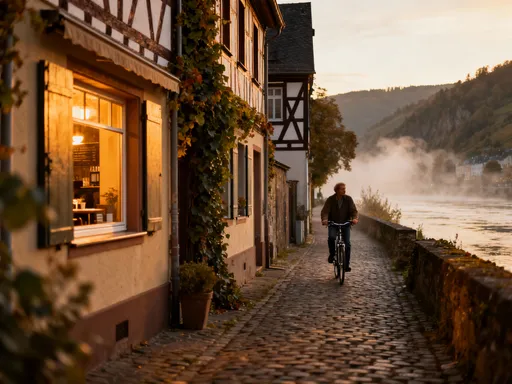
Wandering Through Whimsy: Where Art Lives in Rothenburg’s Hidden Corners
Have you ever turned a quiet street and stumbled upon magic? In Rothenburg ob der Tauber, Germany’s fairytale town, art isn’t just in galleries—it’s tucked into alleys, glowing from workshops, and whispering from centuries-old walls. I went looking for charm and found something deeper: a living, breathing artistic soul. This isn’t just sightseeing. It’s discovery. Every cobblestone, every carved beam, every flickering candle in a glass lantern feels like part of a quiet performance—history and creativity dancing together beneath the shadow of church spires. Rothenburg doesn’t display art. It lives it.
First Impressions: Stepping Into a Storybook Town
Rothenburg ob der Tauber rises from the rolling hills of northern Bavaria like a scene lifted from a dream. Its skyline, dominated by red-tiled roofs and towering church steeples, remains virtually unchanged for over five centuries. As you pass through the preserved city gates—such as the Plönlein, one of the most photographed corners in Germany—the sensation is not merely of arrival, but of stepping backward into a world where time moves with intention. Timber-framed houses lean gently toward one another, their eaves painted in soft ochres and deep blues, forming narrow streets that twist like ribbons through the town. This is not a reconstructed village or a theme park facsimile. Rothenburg is a living medieval town, where daily life unfolds within walls that have stood since the 13th century.
What makes Rothenburg unique among historic towns is how seamlessly art integrates into the fabric of everyday existence. Unlike cities where art is confined to museums behind velvet ropes, here, creativity spills into the open. The town itself becomes the gallery, with each building a curated exhibit of craftsmanship. The half-timbered architecture, known locally as Fachwerk, is more than structural—it’s symbolic. Each beam and joint tells a story of family wealth, guild affiliation, or religious belief. The intricate carvings above doorways—angels, saints, mythical beasts—are not mere decoration but visual language, once used to communicate identity and values to a largely illiterate population.
Walking through Rothenburg, one quickly realizes that beauty here is not accidental. The harmony of color, proportion, and texture is the result of centuries of careful maintenance and civic pride. Even after significant damage during World War II, the town was meticulously rebuilt using original materials and traditional methods, ensuring that authenticity was preserved. This commitment to continuity means that today’s visitors experience not a replica, but a continuation. The atmosphere invites slow observation. There are no jarring modern intrusions—no flashing billboards or glass towers—to disrupt the rhythm of the past. Instead, the eye is drawn to subtle details: the way morning light catches the iron hinges on a shop door, or how ivy curls around a centuries-old stone plaque. These moments, fleeting and quiet, form the essence of Rothenburg’s artistic soul.
The Pulse of Craft: Local Workshops Breathing Tradition
Beyond the postcard-perfect facades, Rothenburg’s true artistic heartbeat can be found in its small, unassuming workshops. Tucked into alleyways and basements, these spaces are not tourist attractions designed for spectacle—they are working studios where tradition is kept alive through daily practice. Here, artisans dedicate their lives to crafts that have been passed down through generations, often within the same family. These are not mass-produced souvenirs but handcrafted works born of patience, precision, and deep respect for heritage.
Woodcarving, in particular, remains a revered craft in Rothenburg. Local carvers specialize in intricate nativity scenes, known as Kripperl, which are assembled each Christmas season in homes and churches across Bavaria. Watching a master sculptor shape a tiny figurine with delicate chisels is to witness time slow down. Each stroke is deliberate, each curve refined over hours. The wood—often lime or pear—responds with warmth and grain, revealing textures that no machine could replicate. These carvings are not just decorative; they are devotional objects, imbued with cultural and spiritual significance. To purchase one is not merely to acquire an ornament but to inherit a fragment of tradition.
Glassblowing is another craft that thrives in Rothenburg’s creative ecosystem. In small studios lit by the soft orange glow of kilns, artisans heat glass rods to molten temperatures, then shape them into delicate ornaments, pendants, and miniature sculptures. The process is mesmerizing—fluid and rhythmic, like dance. One misstep can shatter the entire piece, making each finished work a testament to skill and focus. Many of these glass creations feature traditional motifs: snowflakes, stars, and tiny nutcrackers, all reflecting the region’s deep connection to winter festivals and folk customs.
Supporting these workshops is more than a shopping experience—it’s an act of cultural preservation. When travelers choose to buy directly from artisans, they help sustain livelihoods that might otherwise fade in the face of industrial production. These craftspeople do not rely on tourism alone; many also teach apprentices, ensuring that their knowledge is not lost. Visiting a workshop offers more than a glimpse into a trade—it fosters connection. A conversation with a potter about glazing techniques, or a glassmaker’s explanation of color chemistry, transforms a casual observer into a participant in a living tradition.
Galleries with Character: Intimate Spaces Telling Regional Stories
While Rothenburg’s streets and workshops offer art in motion, its galleries provide a more contemplative space for engagement. These are not grand institutions with hushed halls and security guards, but intimate venues often housed in centuries-old buildings. Many are run by the artists themselves, who welcome visitors with warmth and a willingness to discuss their work. This personal touch transforms gallery visits from passive viewing into meaningful dialogue.
The art on display reflects the soul of Bavaria—landscapes bathed in golden light, scenes of village life, and interpretations of local legends. Painters working in oil and watercolor capture the changing seasons: mist rising over the Tauber Valley in autumn, cherry blossoms framing half-timbered houses in spring, or snow dusting the rooftops during the Christmas season. Printmakers use traditional techniques like etching and linocut to create bold, textured images that echo the region’s folk art traditions. Textile artists weave stories into fabric, using patterns inspired by historical garments and regional embroidery styles.
One of the most compelling aspects of Rothenburg’s gallery scene is its seasonal rotation. Exhibits change regularly, often tied to festivals or natural cycles. A summer show might focus on outdoor life—farmers in fields, children by the river, or blooming gardens—while a winter exhibition could explore themes of light, warmth, and renewal during the Advent season. This fluidity ensures that repeat visitors always encounter something new, reinforcing the idea that art in Rothenburg is not static but evolving.
The intimacy of these spaces encourages deeper appreciation. Without crowds or timed entry, visitors can linger, reflect, and ask questions. A painting of a forgotten courtyard might spark a memory of a grandmother’s garden; a sculpture of a dancing couple in traditional dress could evoke the sound of an accordion at a village fête. These emotional connections are precisely what make Rothenburg’s art so powerful—it doesn’t just depict life. It mirrors it.
Street-Level Artistry: Murals, Sculptures, and Architectural Details
Art in Rothenburg is not confined to indoor spaces. It lives in the open air, embedded in the very bones of the town. Above doorways, on gable ends, and tucked into niches, one finds a wealth of sculptural and decorative details that transform ordinary architecture into storytelling. These elements, often centuries old, were once functional—marking guild halls, honoring saints, or warding off evil spirits—but today they serve as silent narrators of the town’s past.
Ornate stone reliefs depict biblical scenes, such as the Last Supper or the Nativity, serving both devotional and educational purposes in earlier times. Ironwork signs, shaped like tools, animals, or celestial symbols, once identified tradesmen—blacksmiths, bakers, apothecaries—and now add whimsy and character to shop fronts. Even the manhole covers in Rothenburg are adorned with subtle designs, echoing the town’s coat of arms or seasonal motifs. These details, easily overlooked, reward the attentive traveler with moments of quiet revelation.
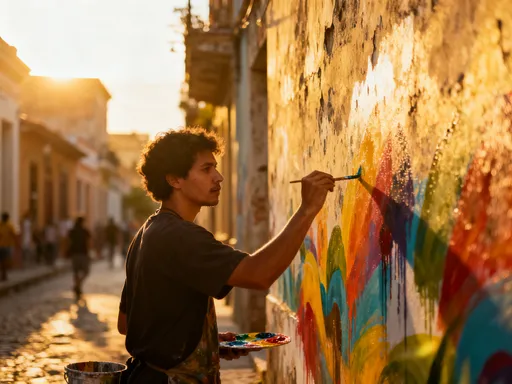
In recent years, contemporary artists have added new layers to this visual tapestry. Subtle murals, often painted in muted tones to blend with historic facades, depict local legends or historical figures. A hidden courtyard might feature a mosaic made from broken ceramic tiles, its pattern inspired by traditional Bavarian folk designs. These modern interventions do not clash with the old; instead, they converse with it, creating a dialogue between past and present. One such example is a bronze sculpture of a child peering over a wall, placed near a former schoolhouse—its innocence and curiosity mirroring the spirit of discovery that defines the Rothenburg experience.
Walking through the town with an eye for these details transforms a simple stroll into a treasure hunt. Children delight in spotting hidden faces in wood carvings; adults pause to decipher Latin inscriptions on stone plaques. This shared act of looking—of noticing the small, the overlooked, the exquisite—creates a sense of community among visitors. Art, in this context, becomes a collective experience, uniting strangers through wonder.
Seasonal Transformations: How Light and Festivals Shape Aesthetic Experience
The artistic character of Rothenburg shifts with the seasons, shaped by light, weather, and celebration. Each time of year offers a distinct aesthetic, inviting visitors to experience the town through different emotional and sensory lenses. These transformations are not merely decorative but deeply rooted in regional customs, reinforcing the idea that art is inseparable from life’s rhythms.
Winter, particularly during the Christmas season, is when Rothenburg glows most vividly. The annual Reiterlesmarkt, one of Germany’s oldest and most beloved Christmas markets, transforms the town into a luminous wonderland. Streets are strung with lanterns, shop windows display handmade ornaments, and the air carries the scent of roasted nuts and spiced wine. The centerpiece is the Käthe Wohlfahrt Christmas Village, a year-round store that becomes a pilgrimage site for holiday lovers. But beyond the commerce, the season fosters creativity: local artists design window displays, musicians perform carols in the market square, and candlelit processions wind through the old town. The interplay of firelight and snow creates a dreamlike atmosphere, where every corner seems to hold a story.
Summer, in contrast, is a time of openness and expansion. The long daylight hours invite outdoor art installations, from sculptural displays in public gardens to live painting events in the market square. The Rothenburg Art Summer festival brings together regional and international artists for exhibitions, workshops, and performances. Galleries host open studio days, allowing visitors to watch painters at work or try their hand at printmaking. The town walls, once defensive structures, become a scenic promenade where families walk beneath blooming wisteria and view panoramic vistas of the surrounding countryside.
Spring and autumn offer quieter, more introspective experiences. In spring, cherry blossoms frame the timbered houses, their soft pink petals contrasting with dark wood beams. Artists capture this fleeting beauty in watercolors and photography. Autumn brings golden light and crisp air, perfect for contemplative walks and museum visits. The changing foliage along the Tauber River enhances the town’s painterly quality, making it feel like a living canvas. By aligning a visit with these seasonal shifts, travelers engage not just with art, but with the natural and cultural cycles that inspire it.
Practical Exploration: Navigating the Town’s Artistic Rhythm
To fully appreciate Rothenburg’s artistic depth, timing and pacing are essential. The town rewards slow, mindful exploration. Mornings are ideal for visiting workshops, when artisans are most active and the streets are quiet. The soft morning light enhances the textures of stone and wood, making it easier to notice intricate carvings and faded inscriptions. Early risers may even catch a glimpse of bakers pulling fresh pretzels from wood-fired ovens, their golden crusts glistening—an everyday scene that feels like a still life.
Midday is best suited for gallery visits, when natural light floods the exhibition spaces. Many artists are present during these hours, offering insights into their techniques and inspirations. Taking time to speak with them deepens understanding and creates lasting memories. Afternoon walks along the town walls provide a broader perspective, linking the artistic details on the ground with the town’s overall design. The 1.5-mile circuit offers uninterrupted views of red rooftops, church spires, and the surrounding vineyards, reminding visitors that Rothenburg’s beauty is both intimate and expansive.
Evenings bring a different kind of magic. As the sun sets behind the hills, the town glows in golden hour light, then gradually shifts into candlelit warmth. Restaurants light oil lamps, shopkeepers hang lanterns, and the market square fills with the murmur of conversation. This is the perfect time for quiet reflection—perhaps with a cup of herbal tea in a courtyard café, watching shadows lengthen across ancient stones. A self-guided trail, focusing on craft studios, galleries, and architectural highlights, allows travelers to move at their own pace, savoring each discovery without rush.
For those planning a visit, staying at least two nights is recommended. A single day may cover the major sights, but only a longer stay allows immersion in the town’s rhythm. Booking a room in a family-run guesthouse enhances the experience, offering personal recommendations and a sense of belonging. Travelers should also consider guided walking tours focused on art and architecture, led by local historians who can decode symbols and share forgotten stories. These tours, often limited to small groups, provide context that enriches independent exploration.
Why This Journey Matters: Art as Cultural Continuity
Rothenburg ob der Tauber is more than a picturesque destination. It is a testament to the enduring power of art as a force of cultural continuity. Every carved figure, every painted tile, every blown-glass ornament represents not just aesthetic achievement but a commitment to preserving identity through creativity. In an age of mass production and digital replication, Rothenburg stands as a reminder that beauty thrives in the handmade, the personal, the enduring.
When travelers engage with Rothenburg’s art spaces, they do more than collect souvenirs. They participate in a quiet act of preservation. Each purchase from a local artisan, each conversation with a gallery owner, each moment spent noticing a hidden relief, strengthens the thread that connects past and present. These acts, small and personal, contribute to the survival of traditions that might otherwise fade.
Moreover, Rothenburg teaches that art does not belong only in museums or elite circles. It belongs in streets, in homes, in daily life. It is in the way a baker decorates a cake, a tailor stitches a hem, or a child draws a picture of the town gate. This democratization of beauty—where creativity is not reserved for the few but shared by the many—is perhaps Rothenburg’s greatest gift.
As the sun sets over the Tauber Valley and the last lanterns flicker to life, one realizes that the magic of Rothenburg is not in its perfection, but in its humanity. It is a town shaped by hands, not machines. A place where art is not displayed, but lived. And in that living, it invites us all to look closer, to feel deeper, and to remember that even in the smallest details, wonder awaits.