Hidden Frames: How Debrecen’s City Blocks Tell Stories Through the Lens
Stepping into Debrecen feels like flipping through an old photo album filled with quiet charm and unexpected beauty. You don’t need grand landmarks to capture soul—sometimes it’s the cracked pastel walls, sunlit alleys, and everyday life unfolding on street corners that make a city unforgettable. As a traveler with a camera, I discovered that the true essence of Hungary’s second city hides in plain sight, woven into its urban fabric. This is not about ticking off tourist spots—it’s about seeing differently. It’s about noticing how morning light traces the edge of a wrought-iron balcony or how laughter echoes between buildings during a child’s game of tag. In Debrecen, photography becomes a language of observation, where every block tells a story waiting to be framed.
The Pulse of Urban Life: Why City Blocks Matter in Travel Photography
Travel photography has long been associated with iconic sights—monuments, cathedrals, panoramic views. Yet in recent years, a quiet shift has taken place. More photographers are turning their lenses away from postcard-perfect scenes and toward the rhythm of daily existence found in city blocks. This movement is not about rejecting landmarks but about expanding the narrative. In Debrecen, this approach feels especially rewarding. The city does not rely on spectacle to impress; instead, it reveals itself gradually, through the soft hum of tram wheels on cobblestone, the clatter of market stalls being set up at dawn, or the way neighbors exchange greetings across a courtyard.
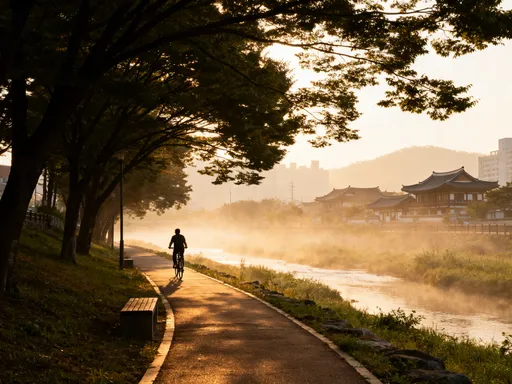
Photographing urban life at street level allows travelers to engage with a destination on more intimate terms. When you focus on neighborhoods rather than monuments, you begin to understand the texture of a place—its pace, its patterns, its personality. In Debrecen, the morning commute isn’t just a routine; it’s a visual symphony of backpacks swinging, coffee cups lifted, and bicycles weaving through tree-lined avenues. A vendor arranging fresh peppers at the Great Market Hall becomes a subject of quiet dignity. Children playing hopscotch outside a school gate offer unscripted moments of joy. These scenes may seem ordinary, but when captured with intention, they become powerful reflections of cultural identity.
What makes this form of photography meaningful is its authenticity. Unlike staged tourist experiences, street-level moments unfold naturally. They are not performed for visitors but lived by residents. By documenting these slices of life, photographers preserve not just images but emotions—warmth, resilience, routine. Moreover, such work encourages mindfulness. To photograph a city block well, one must slow down, observe closely, and listen. In doing so, the traveler transforms from a passive observer into an active participant in the city’s story. For women aged 30 to 55, many of whom balance caregiving and personal interests, this kind of travel offers both creative fulfillment and emotional grounding—a chance to reconnect with curiosity and wonder.
Debrecen Unfiltered: A Visual Introduction to Its Neighborhoods
Debrecen’s character emerges most clearly when explored block by block. Unlike Budapest, with its ornate architecture and tourist density, Debrecen offers a more understated charm. Its neighborhoods unfold like chapters in a novel, each with its own tone and tempo. The city center, anchored by Kossuth tér and the Reformed Great Church, pulses with a gentle energy. Here, pedestrians stroll beneath linden trees, and café terraces spill onto sidewalks, creating a sense of communal ease. The architecture reflects layers of history—neoclassical facades stand beside Art Nouveau buildings adorned with floral stucco, while remnants of socialist-era design add a touch of utilitarian contrast.
Just a short walk away, the Csokonai district presents a different mood. Named after the beloved Hungarian poet Mihály Csokonai, this area blends residential calm with creative spirit. Tree-shaded streets lined with pastel-colored homes give the neighborhood a serene rhythm. Many buildings here have been carefully restored, their facades revealing intricate details—hand-painted shutters, wrought-iron railings, and carved wooden eaves. The interplay of light and shadow across these surfaces creates natural compositions for photographers, especially in the late afternoon when golden rays highlight textures in brick and plaster.
Further out, the residential zones offer another layer of visual interest. These areas, less frequented by tourists, reveal the lived-in beauty of Debrecen. Laundry flutters between balconies, potted plants grace window sills, and bicycles lean against garden gates. The architecture here is more modest, often featuring functional apartment blocks from the mid-20th century. Yet even in simplicity, there is artistry. The repetition of window patterns, the geometry of stairwells, and the way ivy climbs weathered walls all invite closer inspection. For photographers, these neighborhoods provide a rich tapestry of color, form, and daily ritual—proof that beauty does not require grandeur to be compelling.
Chasing Light: Best Times and Spots for Authentic Street Shots
In photography, light is not just illumination—it is emotion. In Debrecen, the quality of light shifts dramatically throughout the day, transforming familiar streets into something poetic. The golden hour, just after sunrise and before sunset, is particularly magical. During these times, the city glows in warm amber tones, softening edges and deepening shadows. Kossuth tér, usually bustling with midday activity, takes on a hushed elegance as low-angle light stretches across its cobblestones. The Reformed Great Church, often photographed in broad daylight, reveals new dimensions when bathed in evening glow, its columns casting long, dramatic silhouettes.
Overcast days, often overlooked by travelers, offer their own advantages. The diffused light eliminates harsh contrasts, making it ideal for capturing subtle textures—peeling paint, moss-covered walls, or the grain of wooden doors. Areas like the edge of Nagyerdő Park benefit from this even lighting. The tree-lined paths leading into the forest create natural frames, while the muted sky enhances the soft pastels of nearby buildings. For photographers seeking a contemplative mood, an overcast morning in this zone can yield deeply atmospheric images.
When planning a shoot, timing and location go hand in hand. The pedestrian zone around Nagyerdei Street and Széchenyi Street is especially photogenic in the early morning, before crowds gather. This is when shopkeepers open shutters, delivery trucks unload crates of bread, and the first rays of sun hit the colorful facades. A 35mm or 50mm lens works well here, allowing for both environmental context and intimate detail. For those using smartphones, enabling natural light mode and avoiding flash preserves authenticity. Remaining unobtrusive is key—moving slowly, avoiding direct eye contact when appropriate, and respecting personal space ensures that moments remain genuine, not staged.
Framing the Everyday: Capturing People, Movement, and Local Color
One of the most rewarding aspects of street photography is capturing people in their natural environments. In Debrecen, life unfolds in small, meaningful gestures—a grandmother adjusting her scarf as she leaves the bakery, a student reading on a bench under a chestnut tree, a couple sharing a quiet conversation at an outdoor kiosk. These moments are not posed, yet they carry emotional weight. The challenge lies in photographing them ethically and respectfully, without intrusion.
A useful approach is to observe before shooting. Spend time in a location, let people become accustomed to your presence, and wait for moments that feel organic. If someone notices you and appears uncomfortable, a simple smile or nod can ease tension. In many cases, asking for permission—especially when focusing on a single subject—is both courteous and necessary. However, in candid street photography, the goal is often to document fleeting interactions, not to stage them. Wide-angle lenses help maintain distance while still capturing context, allowing you to include surroundings that enrich the narrative—such as a market backdrop or a sunlit alley.
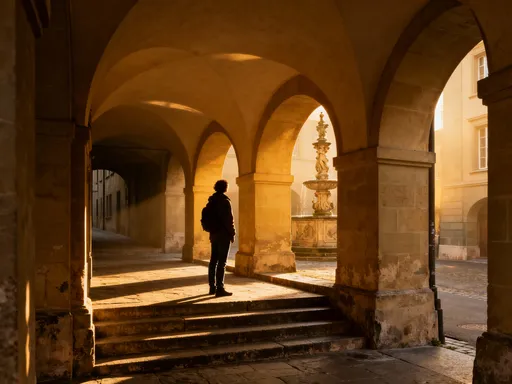
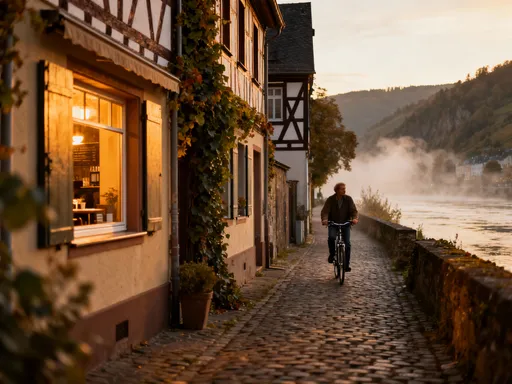
Composition plays a crucial role in elevating everyday scenes. Leading lines—like tram tracks, rows of bicycles, or cobblestone paths—guide the viewer’s eye through the image. Natural frames, such as archways, windows, or tree branches, add depth and focus. Reflections in puddles, shop windows, or polished surfaces can create surprising layers, turning a simple street scene into a visual puzzle. In Debrecen, these elements are abundant. A café window might reflect both the interior warmth and the passerby outside, merging two worlds in one frame. A rain-soaked sidewalk can mirror the colors of a yellow Art Nouveau façade, doubling its impact.
For women who photograph while traveling, there is a unique sensitivity to human connection. Many bring a nurturing eye to their work, noticing gestures of care, moments of solitude, or signs of community. This perspective enriches storytelling, turning images into quiet tributes to resilience and belonging. By honoring the dignity of their subjects, photographers ensure that their work does more than capture beauty—it preserves humanity.
From Decay to Detail: Finding Beauty in Forgotten Corners
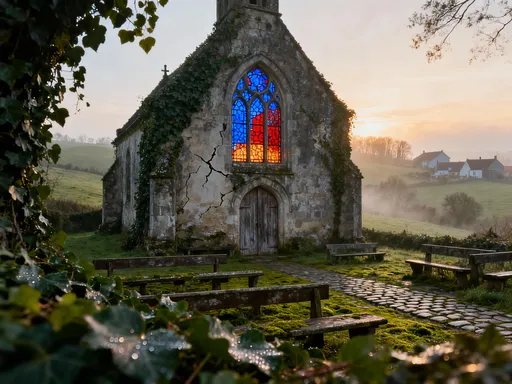
Not all beauty in a city is polished or preserved. Some of the most compelling photographs emerge from overlooked places—alleys with chipped paint, abandoned doorways, or walls marked by time. In Debrecen, these spaces exist alongside restored buildings, creating a visual dialogue between past and present. The key to photographing such areas is not to glorify decay but to reveal the poetry within it. A rusted gate, half-covered in ivy, tells a story of endurance. A faded advertisement from decades ago, barely legible on a brick wall, hints at forgotten commerce. These details, often ignored, become powerful when framed with care.
Texture is central to this kind of photography. Macro lenses allow for close-up exploration of surfaces—cracked plaster, flaking blue paint, or the intricate pattern of a wrought-iron grille. Wide-angle shots, on the other hand, place these details within their environment, showing how decay coexists with life. A child’s drawing taped to a weathered door, for instance, introduces contrast and hope. The juxtaposition of old and new, worn and vibrant, adds emotional depth to images.
When photographing neglected areas, sensitivity is essential. These spaces may be part of low-income neighborhoods, and representation carries responsibility. The goal is not to exoticize hardship but to acknowledge the quiet dignity of everyday survival. Photographers should avoid sensationalism, focusing instead on form, color, and light. A peeling poster, lit by afternoon sun, can be striking without exploiting its context. Similarly, a retro doorway with chipped green paint and a brass knob can become a study in craftsmanship and time.
Debrecen’s outer blocks offer numerous such opportunities. Side streets near residential complexes often feature vintage mailboxes, tiled entryways, or flower boxes maintained despite aging structures. These small acts of care speak volumes. They suggest pride, continuity, and resistance to erosion—both physical and cultural. For photographers, they represent not decline but resilience, a testament to how beauty persists even when uncelebrated.
Navigating the City: Practical Tips for Photographers on Foot
Exploring Debrecen on foot is not only feasible but deeply rewarding. The city is compact, with most neighborhoods connected by pedestrian-friendly streets and reliable public transport. A comfortable pair of walking shoes is essential, especially when covering multiple districts in a day. The central areas, including Kossuth tér, the Great Market Hall, and the University of Debrecen campus, are easily accessible on foot, while tram lines extend to quieter residential zones.
For photographers, logistics matter. Carrying a lightweight backpack allows for easy storage of extra lenses, a water bottle, and a small notebook for observations. Weather in Debrecen varies by season, so a compact rain cover for your camera or phone is advisable. Spring and autumn bring mild temperatures and dynamic skies—ideal for moody shots—while summer offers long daylight hours for extended exploration. Winters, though colder, provide a different aesthetic: frost-covered branches, steam rising from manholes, and the soft glow of streetlamps in early dusk.
Local cafés serve as excellent rest points. Many are welcoming to solo visitors, offering warm drinks and a chance to recharge—both physically and creatively. Sitting at a corner table with a cup of tea allows for quiet observation, helping you anticipate moments before they happen. Offline maps downloaded via navigation apps ensure you stay oriented, even without constant internet access. Additionally, learning a few basic Hungarian phrases—such as köszönöm (thank you) or szép napot (have a nice day)—can foster goodwill when interacting with locals.
Safety in Debrecen is generally high, especially in well-trafficked areas. However, it’s wise to remain aware of surroundings, particularly when focused on photography. Avoid displaying expensive equipment unnecessarily, and keep bags secured. By blending in and moving with purpose, photographers can explore freely while minimizing attention. These practical considerations support a deeper experience—allowing the focus to remain on seeing, not just on capturing.
Beyond the Snapshot: Turning Moments into Meaningful Visual Stories
A single photograph can be powerful, but a series of images can tell a story. In Debrecen, the practice of creating mini photo essays elevates travel photography from documentation to narrative. Instead of collecting isolated shots, photographers can build themes that reflect the city’s soul. A project like “Doors of Debrecen” might explore how entryways express identity—some ornate, others humble, all revealing something about the lives within. Another series, “Shades of Yellow in the Old Quarter,” could trace the recurring hue across buildings, shutters, and signage, uncovering a hidden palette.
Morning rituals offer another compelling theme. Documenting the first hours of the day—from bakery deliveries to school commutes—creates a timeline of urban rhythm. These sequences invite viewers to slow down and appreciate the ordinary. When shared thoughtfully, such work can foster connection, not just admiration. Posting images on platforms like Instagram or personal blogs allows others to see Debrecen through a contemplative lens, one that values presence over perfection.
Post-processing should enhance, not distort. Adjusting brightness, contrast, or white balance can bring out natural tones, but over-editing risks losing authenticity. The goal is to honor the moment as it was, not to fabricate a version of it. Ethical sharing also means providing context—captioning images with location, time, or a brief observation helps ground them in reality. When possible, credit should be given to local culture, avoiding generic labels like “exotic” or “quaint.”
For women who travel with cameras, this approach aligns with a desire for meaningful engagement. Photography becomes a form of listening, a way to honor what is seen without claiming ownership. It is not about taking, but about witnessing. In Debrecen, where life unfolds quietly and without fanfare, this mindset yields images that resonate long after the trip ends.
Seeing Cities One Block at a Time
Debrecen teaches a simple but profound lesson: that beauty and meaning are not reserved for the extraordinary. They exist in the tilt of a flower box, the creak of a wooden gate, the laughter of children racing home from school. Travel photography, at its best, is not about capturing perfection but about cultivating presence. It asks us to slow down, to look closely, and to find poetry in the mundane. When we photograph a city like Debrecen with patience and respect, we do more than create images—we build understanding. Each frame becomes a bridge between observer and observed, traveler and place. And in that connection, we discover not just the soul of a city, but something of our own as well.