This Is What South Africa’s Garden Route Food Scene *Actually* Feels Like
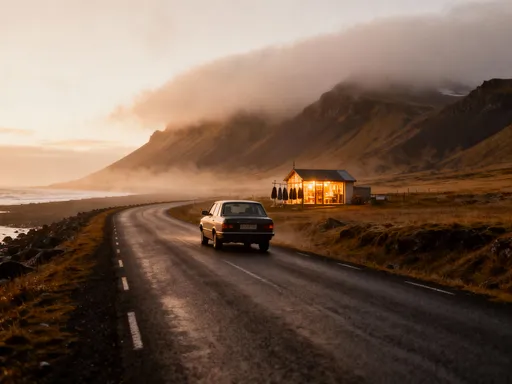
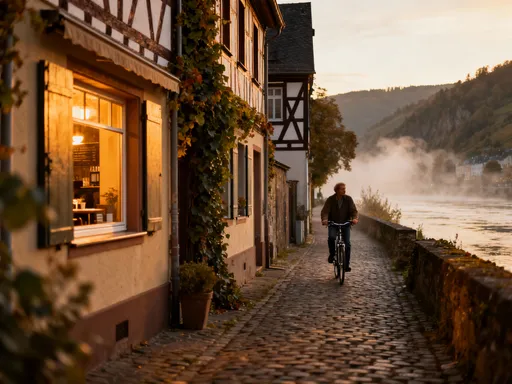
Imagine driving along a coastal paradise where every stop offers something unexpected on your plate—crispy vetkoek, smoky braai, fresh oysters kissed by the sea. I didn’t just taste the Garden Route; I lived it. From roadside shacks to family-run farms, the flavors here don’t just feed you—they tell stories. This journey isn’t about sightseeing. It’s about savoring a culture, one bite at a time. Along South Africa’s famed Garden Route, stretching from Mossel Bay in the west to Storms River in the east, the landscape unfurls like a living postcard: emerald forests, turquoise bays, golden cliffs, and towns nestled where mountains meet the Indian Ocean. But beyond the breathtaking scenery lies a quieter, deeper rhythm—the pulse of daily life expressed through food. Here, every meal is a thread in a rich cultural tapestry, woven from centuries of tradition, resilience, and community.
The Garden Route: More Than Just a Scenic Drive
The Garden Route is often celebrated for its natural beauty, and rightly so. Spanning roughly 300 kilometers along South Africa’s southern coast, it connects coastal villages, forested reserves, and river estuaries with a gentle, meandering grace. Yet to see it only as a scenic byway is to miss its soul. This region is home to a mosaic of cultures—descendants of the Khoisan people, Afrikaans-speaking communities, descendants of Dutch and German settlers, and families with roots in the Cape Malay tradition. Each has contributed to a culinary landscape that is as diverse as it is deeply rooted.
What sets the Garden Route apart as a food destination is not just variety, but authenticity. Unlike curated culinary tours in more commercialized regions, here the food emerges naturally from the land and the people. Travelers don’t need to seek out gourmet restaurants to experience the best of local cuisine; it appears at farm stalls, harbor-side grills, and family kitchens. The pace of travel encourages mindfulness—drivers pull over for no reason other than the scent of wood smoke or the sight of a hand-painted sign advertising “Fresh Biltong.”
The route’s geography supports this richness. To the south, the Indian Ocean provides an abundance of seafood. To the north, the Outeniqua and Tsitsikamma mountains shelter fertile valleys where citrus, avocados, and herbs thrive. Between them, small towns like George, Knysna, and Wilderness serve as cultural crossroads, each with its own rhythm and culinary signature. This is not a place to rush through. It is a place to settle into, to let the flavors unfold gradually, like the slow unfurling of a fern in the fynbos.
Why Food Defines the Garden Route Experience
In many travel destinations, food is an accessory—a break between sightseeing stops. On the Garden Route, it is the main event. Meals are not merely sustenance; they are moments of connection, storytelling, and cultural immersion. The reason lies in the deep relationship between the people and their environment. What appears on the plate is rarely imported or mass-produced. It is harvested that morning, caught that hour, or baked that day.
Take the citrus groves near Plettenberg Bay, where orchards stretch across sun-drenched slopes. The scent of ripe oranges lingers in the air, and local markets overflow with clementines, lemons, and naartjies. These are not just fruits—they are ingredients in chutneys, marmalades, and desserts that define the region’s sweet profile. Similarly, the fynbos-covered hills provide wild herbs like buchu and wild rosemary, used to infuse teas, marinades, and spirits. Even the air carries flavor.
Seafood is another cornerstone. The cold currents of the Indian Ocean support a rich marine ecosystem, making line-caught snoek, yellowtail, and kingklip staples. In coastal towns, fishermen unload their catch at dawn, and within hours, it appears on grills and in curries. This immediacy creates a dining experience that is both luxurious and humble—a reminder that the best food doesn’t need embellishment.
Seasonality also plays a crucial role. In summer, the route buzzes with outdoor markets and braai gatherings. Winter brings heartier dishes—stews simmered for hours, warm melktert served with coffee, and soups enriched with root vegetables. There is a rhythm to eating here, one that mirrors the natural cycles of the land. To dine on the Garden Route is to participate in that rhythm, to eat not just with the mouth, but with the senses and the spirit.
Roadside Eats That Surprise You
Some of the most memorable meals on the Garden Route happen where you least expect them. A weathered shack beside a dusty roadside, a converted shipping container with plastic chairs, a farm stall with a chalkboard menu—these are the stages for culinary authenticity. There is no pretense, no curated ambiance, only food made with care and served with pride.
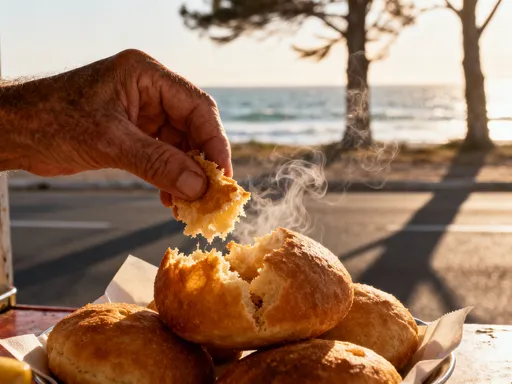
One such stop might offer vetkoek—golden, deep-fried dough balls split open and stuffed with curried mince or shredded beef. Warm to the touch, crisp on the outside and pillowy within, they are the essence of comfort. Nearby, a braai stand might send plumes of aromatic smoke into the air, where boerewors—coiled, spiced sausage made from beef and lamb—sizzle over glowing coals. The scent of cumin, coriander, and garlic fills the air, mingling with the sound of Afrikaans laughter and the clink of cold drink bottles.
In township areas, spaza cafes—small, family-run convenience stores—often double as informal eateries. Here, travelers might encounter koesisters: plaited, syrup-drenched pastries with a texture between doughnut and dumpling. Traditionally made by Cape Malay women, they are often sold at weekend markets or during religious festivals. Each bite is sweet, spiced with cinnamon and anise, and deeply nostalgic for those who grew up with them.
What makes these roadside experiences powerful is not just the food, but the human connection. The vendor who hands you a paper-wrapped parcel with a smile, the farmer who explains how her olives are harvested by hand, the fisherman who points to the bay and says, “That’s where this came from”—these moments transform a meal into a memory. There is dignity in this simplicity, a quiet celebration of craft and community that no five-star restaurant can replicate.
Coastal Flavors: Where the Ocean Meets the Plate
No exploration of the Garden Route’s food scene is complete without diving into its coastal offerings. The towns of Knysna and Plettenberg Bay are particularly renowned for their seafood culture, where the ocean is not just a view, but a larder. Knysna, in particular, is famous for its oysters—plump, briny, and harvested from the estuary that cuts through the town.
Oyster farms dot the water’s edge, operating with a commitment to sustainability. Many use raft-based cultivation methods that minimize environmental impact, ensuring the estuary remains healthy for future generations. At local restaurants, oysters are served raw on the half-shell, chilled with lemon and a dash of mignonette, or grilled with garlic butter and parmesan. The taste is clean, fresh, and unmistakably of the sea.
But oysters are only the beginning. Fish and chips in Plettenberg Bay are a ritual. Unlike the greasy versions found elsewhere, here the fish—often hake—is lightly battered and fried to golden perfection, flaky and moist within. Served with thick-cut chips, tartar sauce, and a view of the harbor, it becomes a full sensory experience. Nearby, small cafes serve fish curry, a legacy of Cape Malay influence, where tender chunks of line-caught fish simmer in a sauce of turmeric, ginger, and coconut milk.
One might spend a lazy afternoon at a waterfront eatery, watching boats bob in the bay while savoring a seafood platter: grilled prawns, smoked mussels, calamari rings, and lemon-dressed octopus. The atmosphere is relaxed, unhurried. Children chase seagulls, couples share bottles of local white wine, and the sound of waves blends with conversation. This is dining as leisure, as connection, as celebration of what the ocean provides.
Farm-to-Table Done Right: Orchards, Vineyards, and Kitchens
The Garden Route’s inland areas reveal another dimension of its food culture: agriculture as hospitality. Here, working farms open their gates to visitors, inviting them to pick citrus, taste olive oil, or sample honey harvested from fynbos flowers. This is not staged agri-tourism; it is an extension of daily life.
Citrus farms near George allow guests to wander through groves, plucking naartjies straight from the tree. The fruit is tart and sweet, its juice bursting on the tongue. Some farms press it into juice or preserve it into marmalade, sold in glass jars with handwritten labels. Others host farm breakfasts where every component—from the yogurt to the bread—comes from within a ten-kilometer radius.
Lavender farms in the foothills offer a different kind of sensory journey. In summer, fields bloom in purple waves, fragrant and humming with bees. Visitors sip lavender lemonade, sample honey infused with floral notes, and buy sachets of dried buds. Some farms pair their harvests with light lunches—quiches with herb crusts, salads with edible flowers, and cheeses dusted with lavender ash.
Vineyards, though less dominant than in Stellenbosch or Franschhoek, are emerging as quiet gems. Small estates produce cool-climate wines—crisp sauvignon blancs, elegant pinot noirs—that pair beautifully with local dishes. Tasting rooms are unpretentious, often set in converted barns, where hosts share stories behind each vintage. A wine and cheese platter here might include a creamy brie made from grass-fed cows, a smoked gouda, and a fig preserve made from estate-grown fruit.
What unites these experiences is transparency. There is no mystery about where the food comes from. Guests see the orchard, meet the farmer, smell the soil. This direct connection deepens appreciation, turning a simple meal into an act of gratitude.
Cultural Crossroads: The Flavors of Heritage and History
The cuisine of the Garden Route cannot be understood without acknowledging its roots. This is a region shaped by centuries of migration, adaptation, and coexistence. The Khoisan people, the original inhabitants, lived off the land with deep knowledge of edible plants and sustainable hunting. Their legacy lives on in the use of wild herbs and the respect for natural balance.
Dutch and German settlers introduced farming techniques, dairy production, and preserved meats like biltong and droëwors. These dried meats, still popular today, were originally developed as a way to store protein in the absence of refrigeration. Now, they are sold in every gas station and market, often sliced to order and paired with crackers or chutney.
The Cape Malay influence, brought by enslaved people from Southeast Asia, added complexity and warmth to the region’s palate. Dishes like bobotie—a spiced minced meat bake topped with an egg custard—are now considered national treasures. The use of turmeric, cumin, and apricot jam in the mixture reflects a blend of Indian, Malaysian, and African flavors. Similarly, bredie—a slow-cooked vegetable stew, often made with tomatoes and onions—is a staple at family gatherings.
Then there is melktert, or “milk tart,” a dessert so beloved it feels like a national symbol. Its delicate cinnamon-dusted pastry crust holds a creamy, custard-like filling that is sweet but never cloying. Baked in homes across the region, it represents comfort, tradition, and care. These dishes are not museum pieces; they are living traditions, passed down through generations, adapted to modern tastes, and served with pride.
How to Eat Your Way Through the Garden Route (The Smart Way)
To truly experience the Garden Route through food, one must travel with intention. Start by planning around local rhythms. Farmers’ markets, such as the Outdawa Market in Wilderness or the Knysna River Club Market, are best visited on weekends when stalls overflow with fresh produce, baked goods, and handmade crafts. Arrive early for the best selection, and come hungry.
Time your visit with the seasons. Summer (November to February) is ideal for seafood, stone fruits, and outdoor dining. Winter (June to August) brings hearty stews, warm pastries, and the magic of misty forests. Oyster lovers should aim for late spring to early summer, when the estuaries are at their peak.
Drive at a leisurely pace. Allow time for unplanned stops—a sign for “Homemade Pie,” a fruit stall with honor-box payment, a fisherman selling snoek from the back of his truck. These spontaneous moments often yield the most authentic experiences. When interacting with vendors, a simple “Thank you” or “Dankie” goes a long way. Many are small-scale producers relying on tourism to sustain their livelihoods.
Choose accommodations that support local economies—family-run guesthouses, eco-lodges, or farm stays. Some offer home-cooked breakfasts featuring regional ingredients, giving guests a morning taste of the culture. When dining out, prioritize restaurants that source locally and highlight seasonal menus. Ask questions: Where was this fish caught? Which farm grew these vegetables? The answers enrich the meal.
Finally, practice mindfulness. Put the camera down. Savor each bite. Listen to the stories behind the food. Let the journey be measured not in kilometers, but in conversations, flavors, and shared moments.
Conclusion: A Journey Measured in Meals
The Garden Route offers more than scenic vistas and outdoor adventures. It offers a way of being—slower, more connected, more present. And nowhere is this more evident than at the table. Here, food is not a backdrop to travel; it is the heart of it. Each meal tells a story of land, sea, and people. Each flavor carries the weight of history and the warmth of hospitality.
To eat your way through the Garden Route is to move beyond tourism and into belonging. It is to share a plate with strangers who become temporary friends, to taste the salt of the ocean on a freshly shucked oyster, to feel the warmth of a vetkoek in your hands on a cool morning. It is to understand that culture is not just seen—it is tasted, smelled, and felt.
So drive the route, yes. Take in the views, hike the trails, photograph the sunsets. But above all, let yourself be fed. Let South Africa’s Garden Route nourish not just your body, but your soul. Because in the end, the memories that last are not just of what you saw—but of what you tasted, and with whom.