The Quiet Shift in Luxury Spending: What the Market’s Really Telling Us
We’ve all noticed it—the buzz around luxury goods isn’t just about status anymore. More people are buying high-end items, not just to impress, but as part of a bigger financial and cultural shift. I started paying attention when I saw how brands were changing their strategies, and customers their habits. It made me wonder: is luxury spending still indulgence, or has it become something more strategic? The trends suggest a deeper story—one about values, identity, and even long-term value. What was once seen as purely emotional consumption is now being reevaluated through the lens of financial prudence, personal meaning, and long-term planning. This quiet transformation is reshaping how we think about what we buy, why we buy it, and what it’s truly worth over time.
The New Face of Luxury Consumption
Luxury is no longer the exclusive domain of the ultra-wealthy. Over the past decade, a broadening base of consumers has entered the high-end market, driven by rising disposable incomes, globalization, and shifting cultural attitudes. In countries like China, India, and Brazil, a growing middle class with strong savings habits and increasing exposure to global trends is redefining who buys luxury and why. These new consumers are not simply copying Western models of opulence; they are crafting their own narratives around ownership, where a designer handbag or a premium timepiece carries both personal significance and social resonance.
What sets this new wave apart is the emphasis on intentionality. Unlike earlier generations who might have purchased luxury items primarily for display, today’s buyers often seek authenticity, craftsmanship, and alignment with personal identity. A young professional in Shanghai may choose a classic trench coat not because it’s trendy, but because it represents timeless elegance and resilience—values she associates with her own journey. Similarly, a couple in Mexico City might invest in a high-end espresso machine not as a status symbol, but as a daily ritual that enhances their home life. These choices reflect a deeper emotional and practical integration of luxury into everyday living.
This evolution is also visible in how brands are responding. Rather than relying solely on heritage and exclusivity, many are now emphasizing transparency, storytelling, and customer experience. Limited edition releases, artisan collaborations, and behind-the-scenes content help consumers feel connected to the creation process. This shift from passive admiration to active engagement marks a fundamental change in the consumer-brand relationship. As luxury becomes more accessible through e-commerce and regional boutiques, the focus is moving from mere ownership to meaningful participation in a lifestyle that values quality, durability, and self-expression.
From Status Symbol to Value Asset
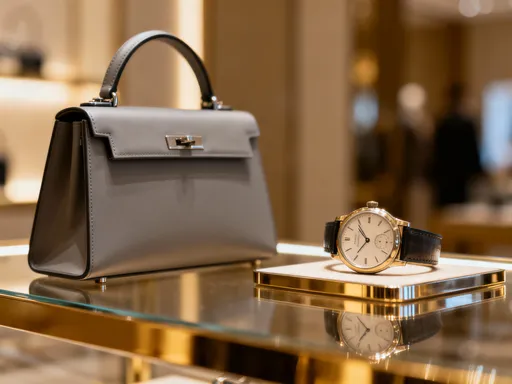
One of the most significant developments in recent years is the reclassification of certain luxury goods from consumption items to potential value assets. While most clothing and accessories depreciate after purchase, select categories—such as rare watches, iconic handbags, and limited-run sneakers—have demonstrated the ability to retain or even increase in value over time. A vintage Hermès Birkin, for example, has historically outperformed many traditional investments, with some models appreciating at double-digit annual rates over the long term. Similarly, specific Rolex models like the Daytona or Submariner have seen strong secondary market demand, often selling above retail price due to scarcity and enduring appeal.
This transformation is not accidental. It is supported by a confluence of factors: controlled production runs, meticulous craftsmanship, brand consistency, and a growing global appetite for collectible items. Scarcity plays a crucial role—when supply is deliberately limited, demand can outpace availability, creating upward pressure on prices. At the same time, the rise of online resale platforms such as Vestiaire Collective, Rebag, and WatchBox has made it easier than ever to track market values, verify authenticity, and complete transactions securely. These platforms have professionalized what was once a niche market, bringing transparency and liquidity to previously opaque segments.
For many consumers, especially those navigating periods of economic uncertainty, this shift offers a sense of financial resilience. In times of inflation or currency fluctuation, tangible assets with global recognition can serve as a hedge. Unlike stocks or real estate, which require complex management, a well-chosen luxury item can be both used and stored, offering dual utility. Of course, not all luxury purchases hold value—most will depreciate—but the awareness that some can act as storehouses of wealth is changing how people evaluate their spending. The mindset is no longer simply “I want this because it feels good,” but increasingly, “I want this because it makes sense.”
The System Behind the Purchase: How Buyers Think Differently
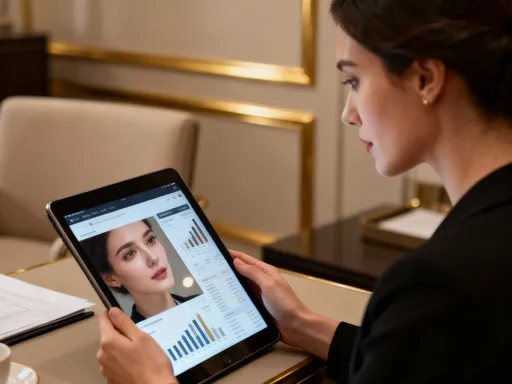
Today’s luxury consumer is not driven solely by emotion or impulse. Instead, a growing number approach high-end purchases with a structured, research-driven mindset. Before buying, they investigate resale performance, study brand history, assess material quality, and evaluate long-term wearability. This shift reflects a broader trend toward financial literacy and mindful consumption, particularly among millennial and Gen Z buyers who have come of age during periods of economic volatility and information abundance.
Digital tools have played a pivotal role in enabling this transformation. Price tracking websites allow buyers to monitor historical trends for specific models, helping them determine optimal entry points. Authentication services provide peace of mind, reducing the risk of counterfeit goods. Online communities—ranging from Reddit threads to dedicated Facebook groups—offer peer-reviewed insights, styling tips, and warnings about overhyped releases. These resources collectively empower individuals to make decisions based on data rather than marketing narratives.
Consider the case of a woman in Toronto researching a Chanel flap bag. She doesn’t just visit the boutique; she spends weeks reviewing auction results, comparing leather types, and reading owner testimonials. She considers how often she’ll use it, whether the size fits her lifestyle, and how its design has evolved over time. Only after this process does she decide to proceed. This level of diligence was rare a generation ago but is now increasingly common. The modern buyer sees herself not as a passive recipient of brand messaging, but as an active participant in a value chain where knowledge translates directly into smarter outcomes.
This systemic approach extends beyond handbags and watches. It applies to high-end audio equipment, designer eyewear, and even premium luggage. The underlying principle is the same: treat every purchase as a decision with long-term implications. By doing so, consumers reduce regret, maximize utility, and increase the likelihood that their investment will deliver lasting satisfaction—both emotionally and financially.
Risk Control in an Emotional Market
The luxury market, despite its polish and prestige, is not immune to risk. Counterfeits remain widespread, with some estimates suggesting that up to 70% of luxury goods sold online may be fake. Overpaying is another common pitfall—especially during launch events or celebrity collaborations that generate short-term hype. Emotional buying, fueled by social media influence or fear of missing out, can lead to purchases that lose value quickly and fail to align with personal needs.
Smart consumers mitigate these risks through disciplined strategies. One key practice is buying from trusted sources—whether authorized retailers, certified resellers, or platforms with robust authentication processes. While prices may be higher than on unregulated marketplaces, the assurance of legitimacy often outweighs the cost difference. Another strategy is waiting. Rather than rushing to buy the latest limited edition, informed buyers often observe how the market reacts. Many hyped items lose momentum within months, allowing patient shoppers to acquire them at a discount.
Understanding depreciation curves is also essential. Most luxury items lose value immediately after purchase, much like a new car. However, the rate of decline varies significantly by brand, model, and condition. Classic styles with minimal branding tend to age better than bold, trend-driven designs. Neutral colors and versatile silhouettes are more likely to remain desirable over time. Savvy buyers use this knowledge to avoid fleeting fads and focus on pieces with enduring appeal.
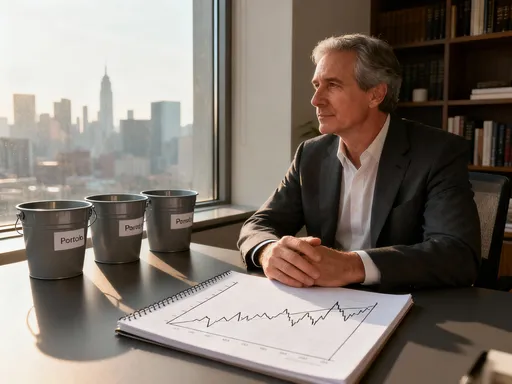
Additionally, many now treat luxury purchases like portfolio decisions. They diversify across categories—handbags, watches, jewelry—and balance high-risk, high-reward items with more stable staples. They keep receipts, service records, and original packaging, all of which contribute to future resale value. By applying principles commonly used in financial planning, they turn what could be a vulnerable expense into a more secure and thoughtful investment.
The Role of Brands in Shaping Trends
Luxury brands are not passive observers in this evolving landscape—they are active architects of consumer behavior. Through careful control of supply, pricing, and distribution, they shape perceptions of value and desirability. Many top houses intentionally limit production of certain models to maintain exclusivity, even as they expand their customer base through digital channels. This balancing act—democratizing access while preserving scarcity—is central to their long-term strategy.
Direct-to-consumer sales have become a powerful tool in this effort. By selling through official websites and flagship stores, brands retain full control over pricing, presentation, and customer experience. They can also gather valuable data on buyer preferences, enabling more targeted product development and marketing. At the same time, they limit third-party availability, preventing discounting and gray market leakage that could undermine brand equity.
Sustainability messaging has also emerged as a key differentiator. As environmental concerns grow, especially among younger consumers, brands are highlighting ethical sourcing, repair services, and circular business models. Some now offer trade-in programs, lifetime repairs, or certifications of origin. These initiatives do more than appeal to conscience—they reinforce the idea that luxury items are meant to last, further supporting the narrative of long-term value.
Yet tensions remain. As more people gain access to luxury goods, the line between exclusivity and mass appeal blurs. Some longtime clients worry that widespread availability dilutes prestige. Others welcome the inclusivity, seeing it as a sign of cultural relevance. Brands must navigate this carefully, ensuring that expansion does not erode the very qualities—craftsmanship, rarity, distinction—that define their appeal.
Practical Strategies for Smarter Luxury Spending
For those looking to engage with the luxury market wisely, several practical strategies can help maximize value and minimize regret. First, focus on timeless design. Pieces that have remained popular across multiple seasons—such as a black wool coat, a simple gold necklace, or a structured tote—are more likely to retain both aesthetic and monetary value. Avoid items with loud logos or extreme silhouettes unless they strongly align with personal taste and intended use.
Second, prioritize function. A luxury item should enhance daily life, not sit unused in a closet. Ask: Will I wear or use this at least once a week? Does it fit my current lifestyle? Can it transition across seasons or occasions? Items that serve multiple purposes—like a watch that works for both business and casual settings—are inherently more valuable.
Third, research before buying. Use resale platforms to see what similar items are selling for. Look up past auction results. Read owner reviews. Understand the brand’s reputation for durability and service. This due diligence helps avoid overpaying and increases confidence in the decision.
Fourth, consider buying pre-owned. The secondary market offers significant savings, often 30–50% below retail, with many items in excellent condition. Reputable resellers provide authentication and warranties, making this a low-risk option. It’s also more sustainable, reducing demand for new production.
Finally, build gradually. Instead of making one large purchase, consider curating a collection over time. Start with a single high-impact piece and add complementary items as needs arise. This approach encourages intentionality and prevents overspending. Over the years, a well-edited wardrobe or collection can become a source of pride, pleasure, and even financial flexibility.
Looking Ahead: Where the Luxury Market Is Headed
The future of luxury spending will likely be shaped by three major forces: technology, generational change, and global economic trends. Digital ownership, including blockchain-verified certificates and NFT-linked products, may soon provide new ways to authenticate and transfer value. While still in early stages, these innovations could increase transparency and trust in both primary and secondary markets.
Younger generations, who value experiences and sustainability, will continue to influence brand priorities. They are more likely to support companies that demonstrate ethical practices, offer repair services, and promote circularity. This could accelerate the shift from ownership to stewardship—the idea that we care for luxury items not just for ourselves, but for future users.
At the same time, macroeconomic conditions will play a role. In times of inflation or currency instability, tangible assets with global recognition may become even more attractive. Conversely, during downturns, discretionary spending may contract, favoring essential luxuries over speculative purchases. Brands that adapt quickly—offering flexible pricing, rental options, or value-added services—will be better positioned to thrive.
Ultimately, luxury will remain an emotional category. The joy of wearing a beautifully made coat, the pride in owning a family heirloom, the comfort of using a well-crafted tool—these feelings are timeless. But the smartest choices are increasingly made with clarity, discipline, and foresight. The quiet shift we’re witnessing is not about rejecting emotion, but about aligning it with wisdom. As more people learn to balance desire with strategy, luxury spending may evolve into one of the most thoughtful forms of personal finance we have.